
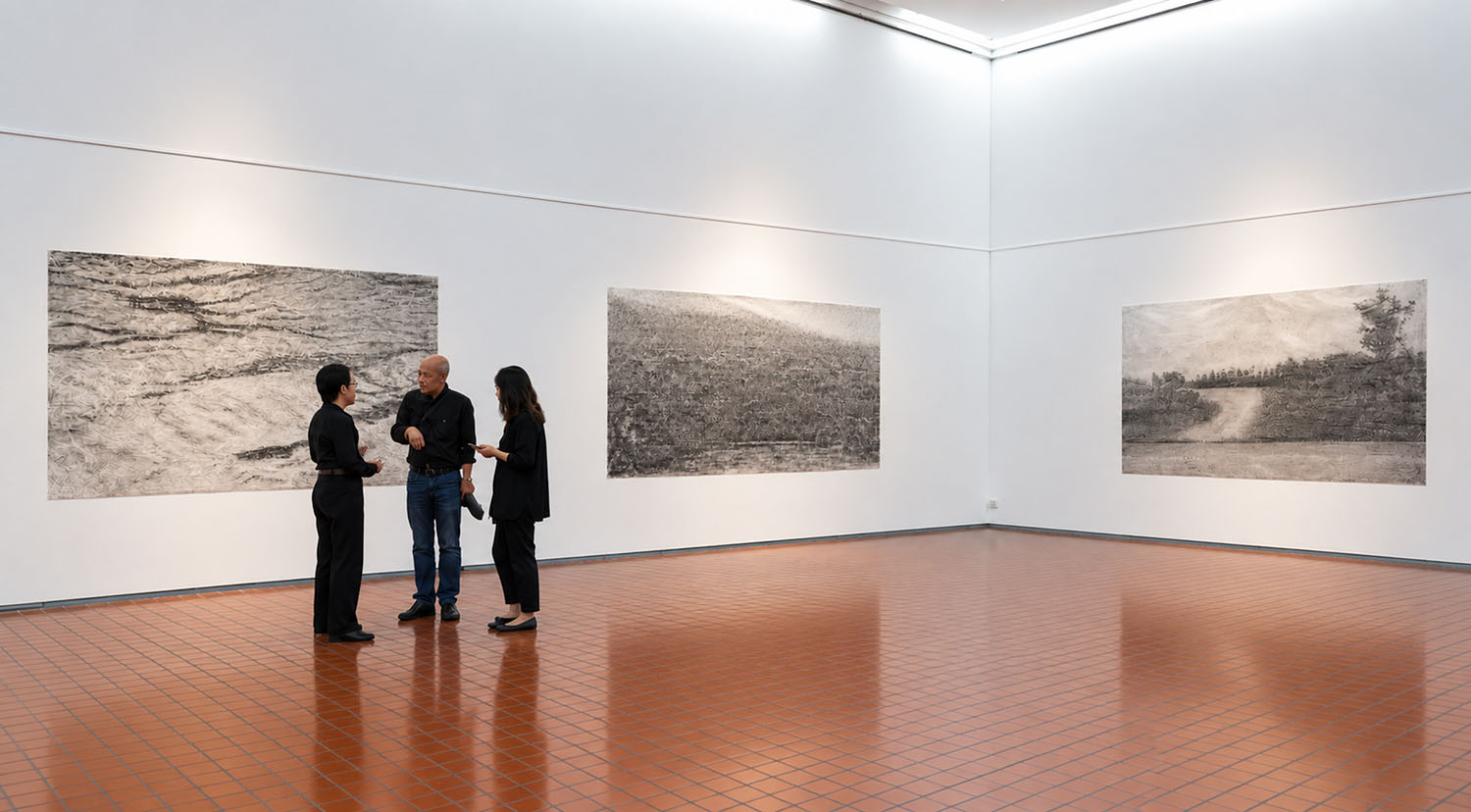
Exhibition View, Museum National, Bangkok, 2017
PAS DE DEUX : THA–CH
Contemporary Art with Politic of Ecology
Curator: Karine Tissot
National Gallery, Bangkok, Thailand, 2017
Landscape — Nature, Material and Time
For PAS DE DEUX : THA–CH — Contemporary Art with Politic of Ecology, landscape becomes both image and material.
The works begin with recognizable places and memories of landscape—the Chao Phraya, the Gulf of Siam, Phi Phi Island, and the journey toward Khao Kho—but their representation is displaced onto bubble wrap, an industrial material associated with protection, packaging and circulation.
This choice creates a deliberate contradiction. A landscape normally understood through earth, water, vegetation and atmosphere is reconstructed upon a synthetic surface. The regular structure of the bubbles fragments the image into thousands of small cells: from a distance, the landscape appears; at close range, it begins to dissolve into material, repetition and abstraction.
The bubble wrap therefore does not simply support the image. It interferes with seeing. Its artificial surface stands between the viewer and the represented landscape, introducing a tension between nature and manufacture, permanence and disposability, protection and vulnerability.
27 Fragments of Time
Alongside these works, the installation 27 Fragments of Time approaches landscape through another form of fragmentation. The camera remains fixed in a single position while successive photographs record the movement of the waves. The viewpoint and horizon remain almost unchanged; only the surface of the water is continuously transformed.
The 27 photographs do not therefore divide the landscape spatially. They fragment its duration. Each image records a moment that has already disappeared by the time the next photograph is made. Repetition reveals difference: what appears stable from a distance is, on closer attention, in continuous transformation.
Within the ecological context of the exhibition, this act of sustained observation becomes significant. Ecology is approached not only through the opposition between natural landscape and artificial material, but through an attention to processes—movement, change, recurrence and impermanence. The landscape is not presented as a fixed image of nature, but as something continually becoming.
The two bodies of work therefore approach landscape from opposite directions. In the bubble-wrap works, nature reaches us through an artificial skin; in 27 Fragments of Time, the photographic frame remains fixed while nature refuses to remain still.
Within the context of Politic of Ecology, ecology is therefore approached not as an illustrated subject or a direct message, but as a way of questioning how we perceive, represent and materially construct our relationship with the natural world.
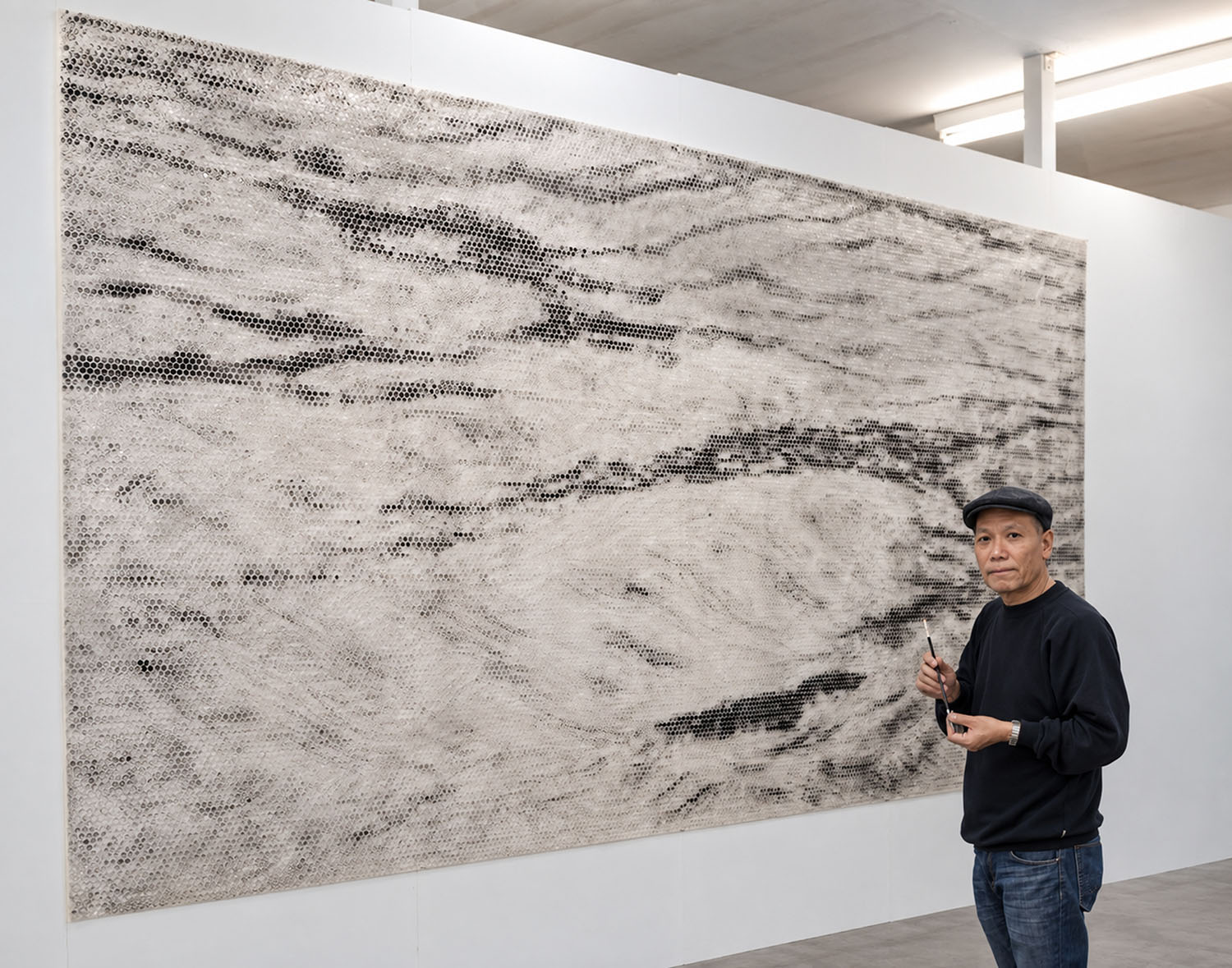
Landscape, 2017, Synthetic paint on Bubble Wrap, 150 x 296 cm
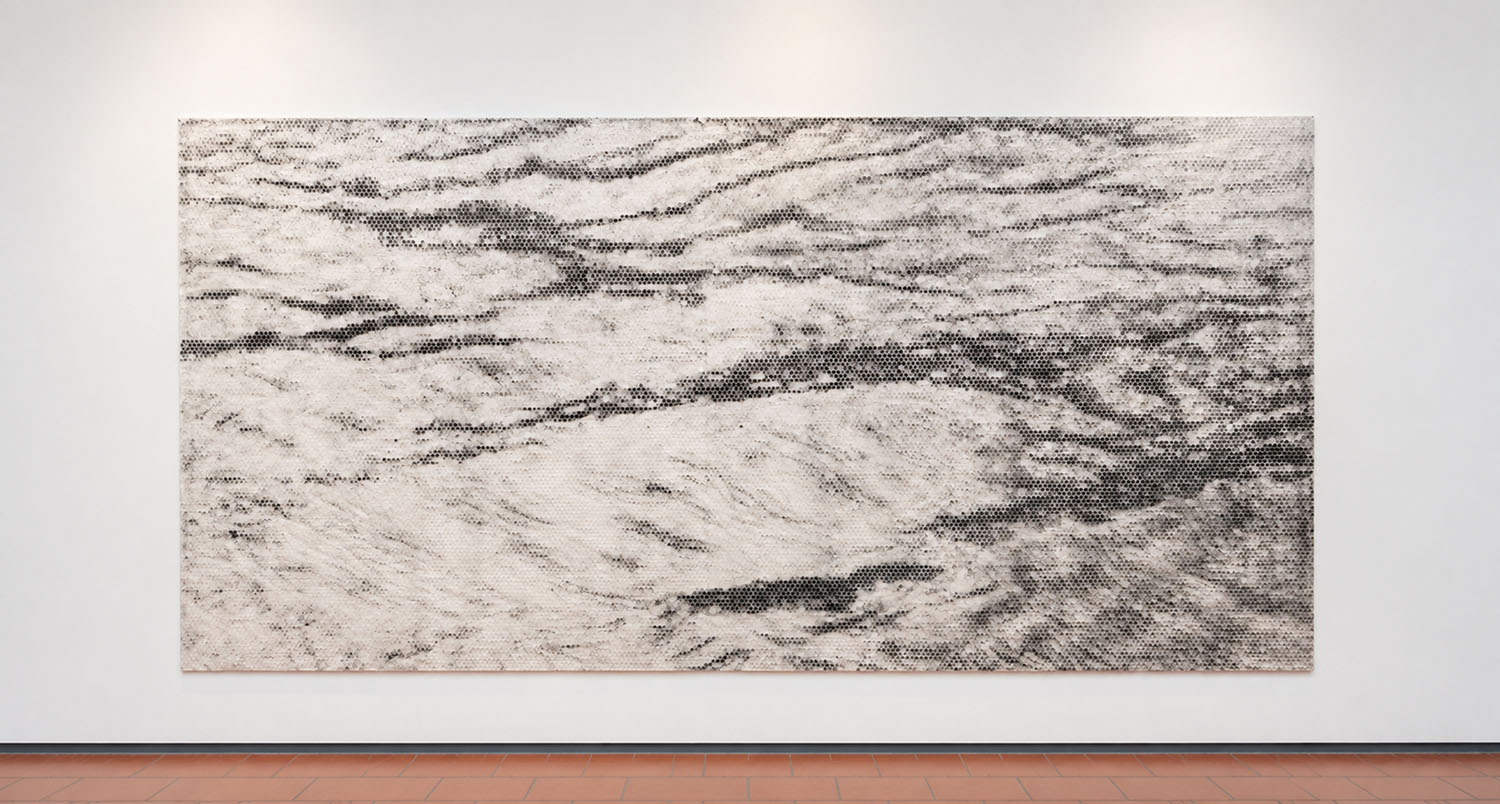
Landscape - Chaopraya, 2017, Synthetic Paint on Bubble Wrap, 150 x 296 cm
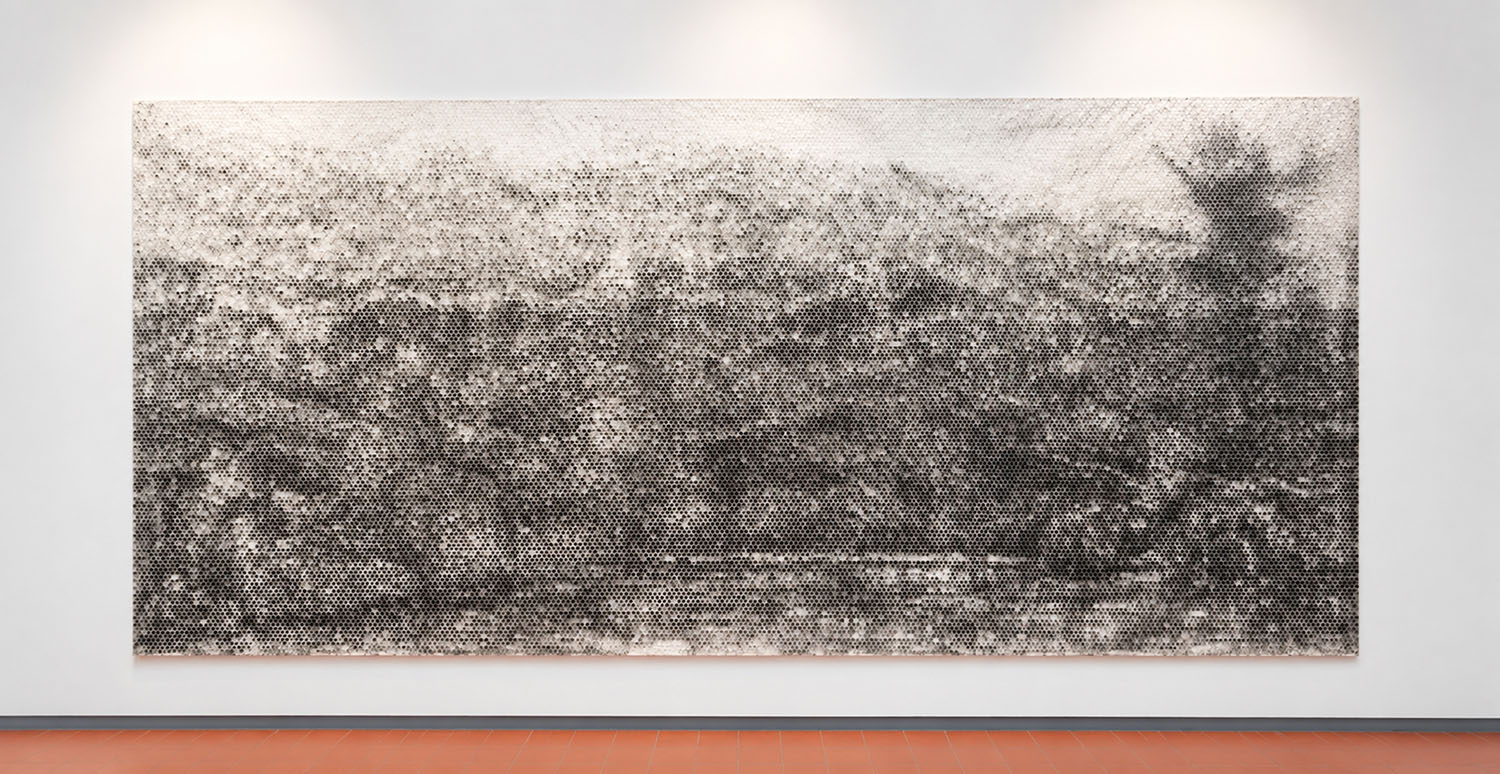
Landscape- Phi Phi Island, 2017, Synthetic Paint on Bubble Wrap, 150 X 320 cm
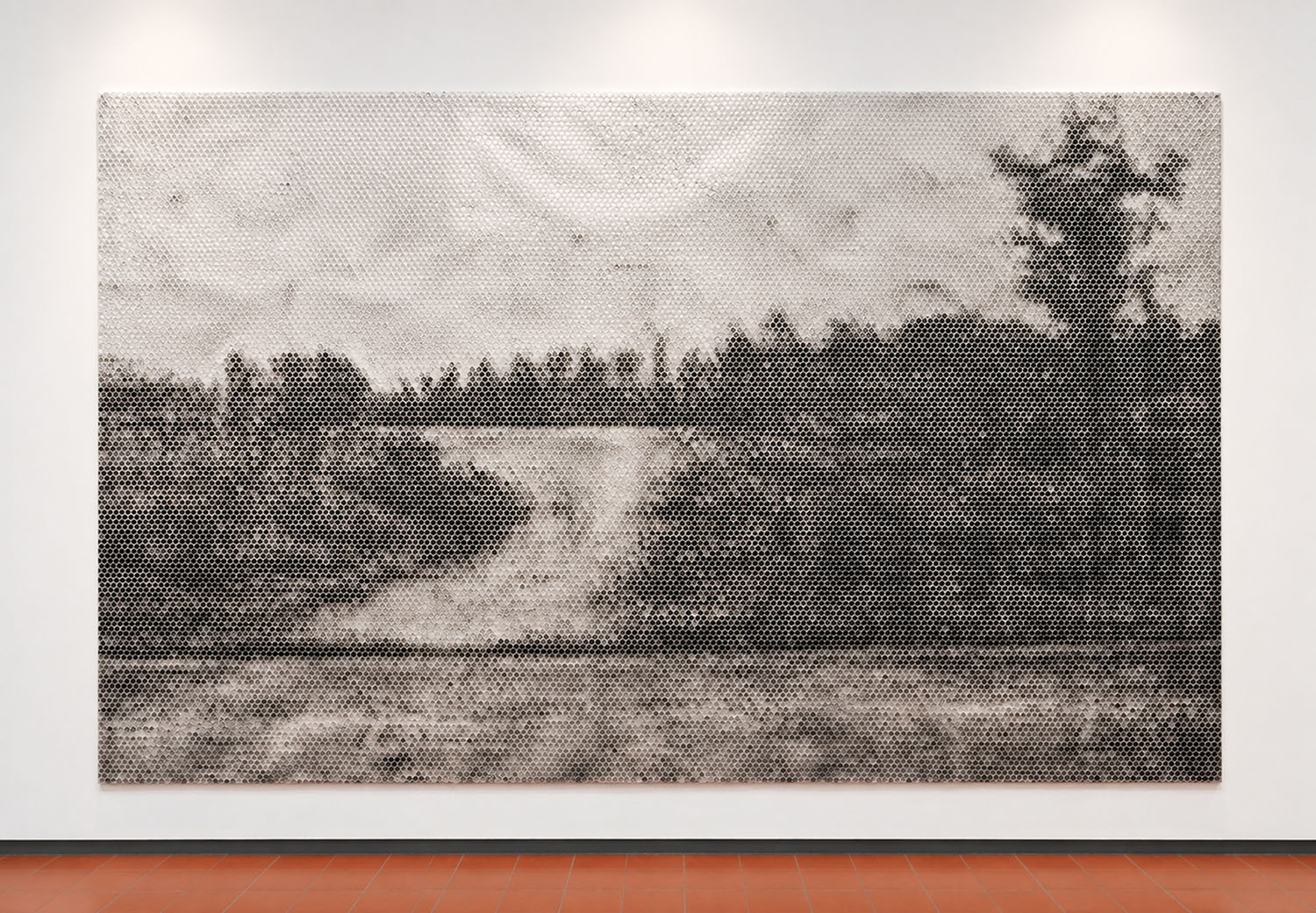
Landscape – Thailand Route 205, 2017, Synthetic Paint on Bubble Wrap, 150 x 230 cm
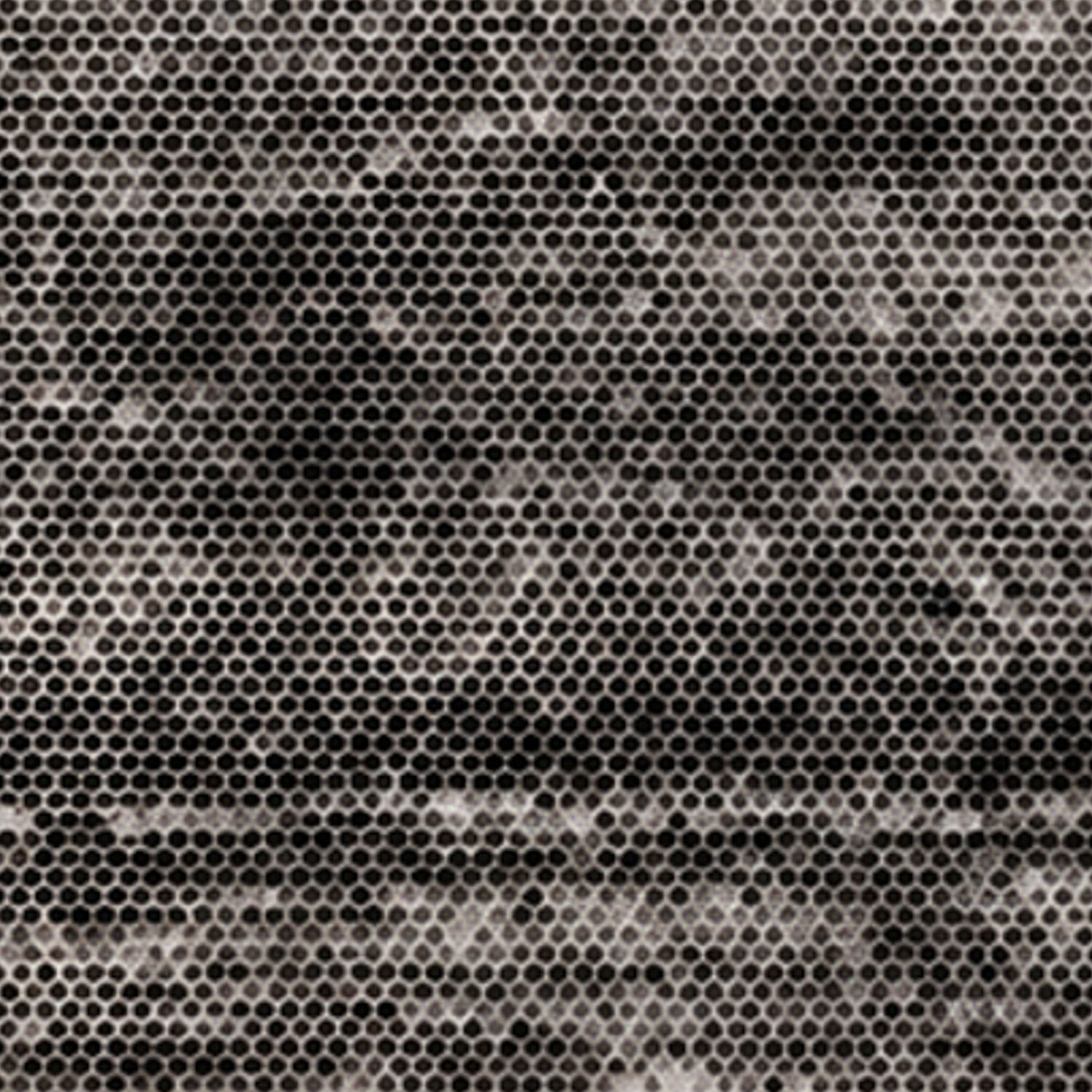
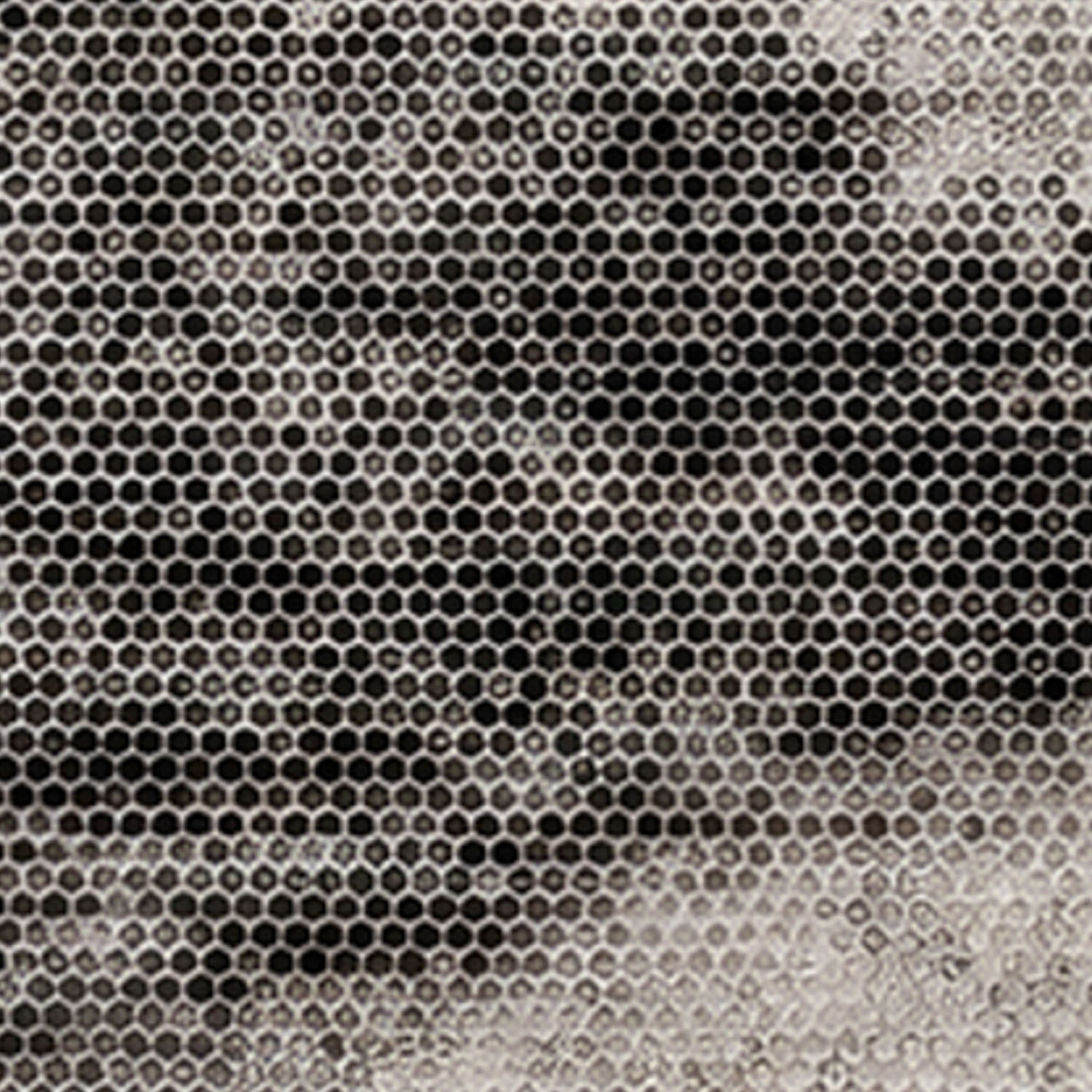
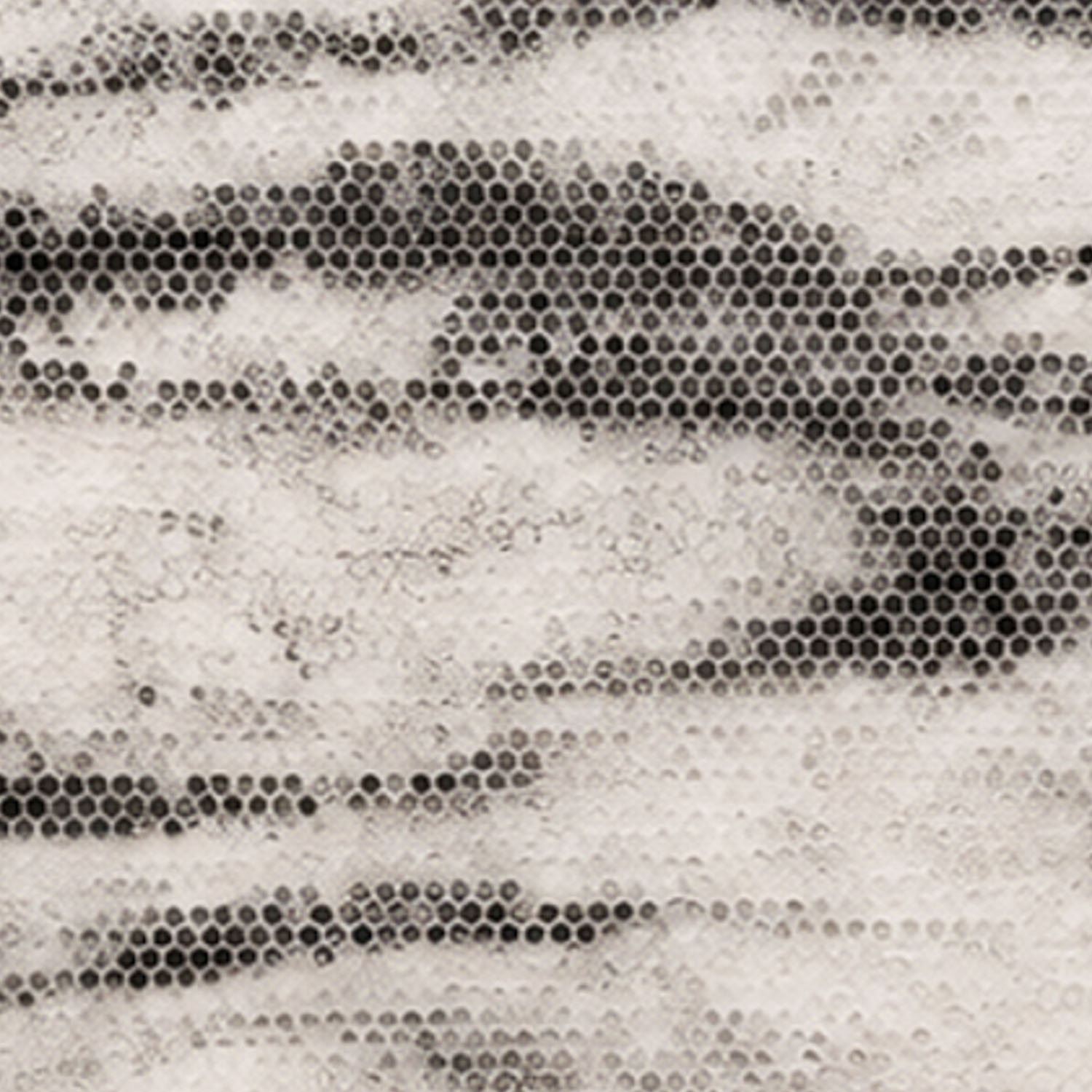
Synthetic Paint on bubble Wrap
Detail of the work
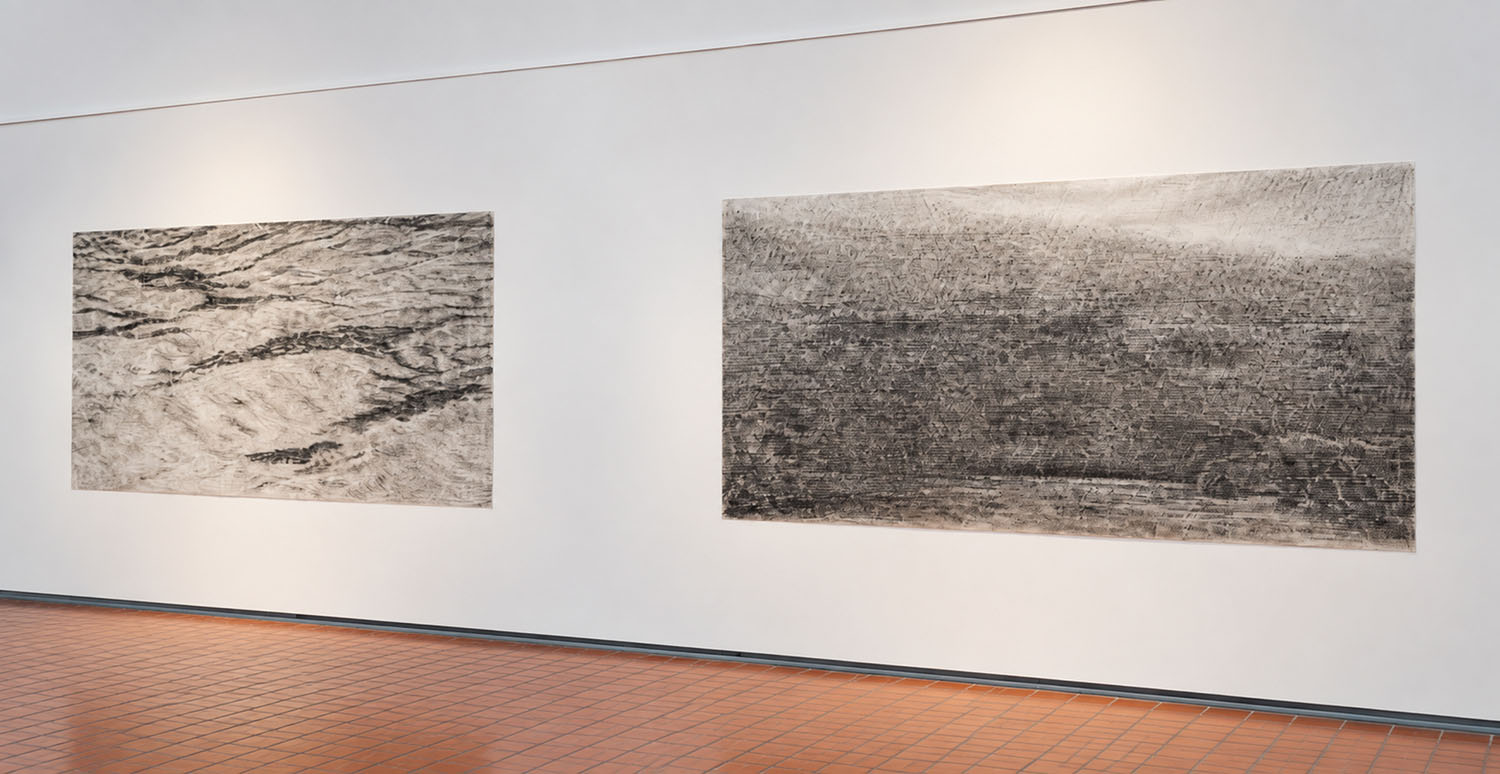
Installation View at the National Museum, Bangkok, 2017
27 Fragments of Time
Alongside these works, the installation 27 Fragments of Time approaches landscape through another form of fragmentation. The camera remains fixed in a single position while successive photographs record the movement of the waves. The viewpoint and horizon remain almost unchanged; only the surface of the water is continuously transformed.
The 27 photographs do not therefore divide the landscape spatially. They fragment its duration. Each image records a moment that has already disappeared by the time the next photograph is made. Repetition reveals difference: what appears stable from a distance is, on closer attention, in continuous transformation.
Within the ecological context of the exhibition, this act of sustained observation becomes significant. Ecology is approached not only through the opposition between natural landscape and artificial material, but through an attention to processes—movement, change, recurrence and impermanence. The landscape is not presented as a fixed image of nature, but as something continually becoming.
The two bodies of work therefore approach landscape from opposite directions. In the bubble-wrap works, nature reaches us through an artificial skin; in 27 Fragments of Time, the photographic frame remains fixed while nature refuses to remain still.
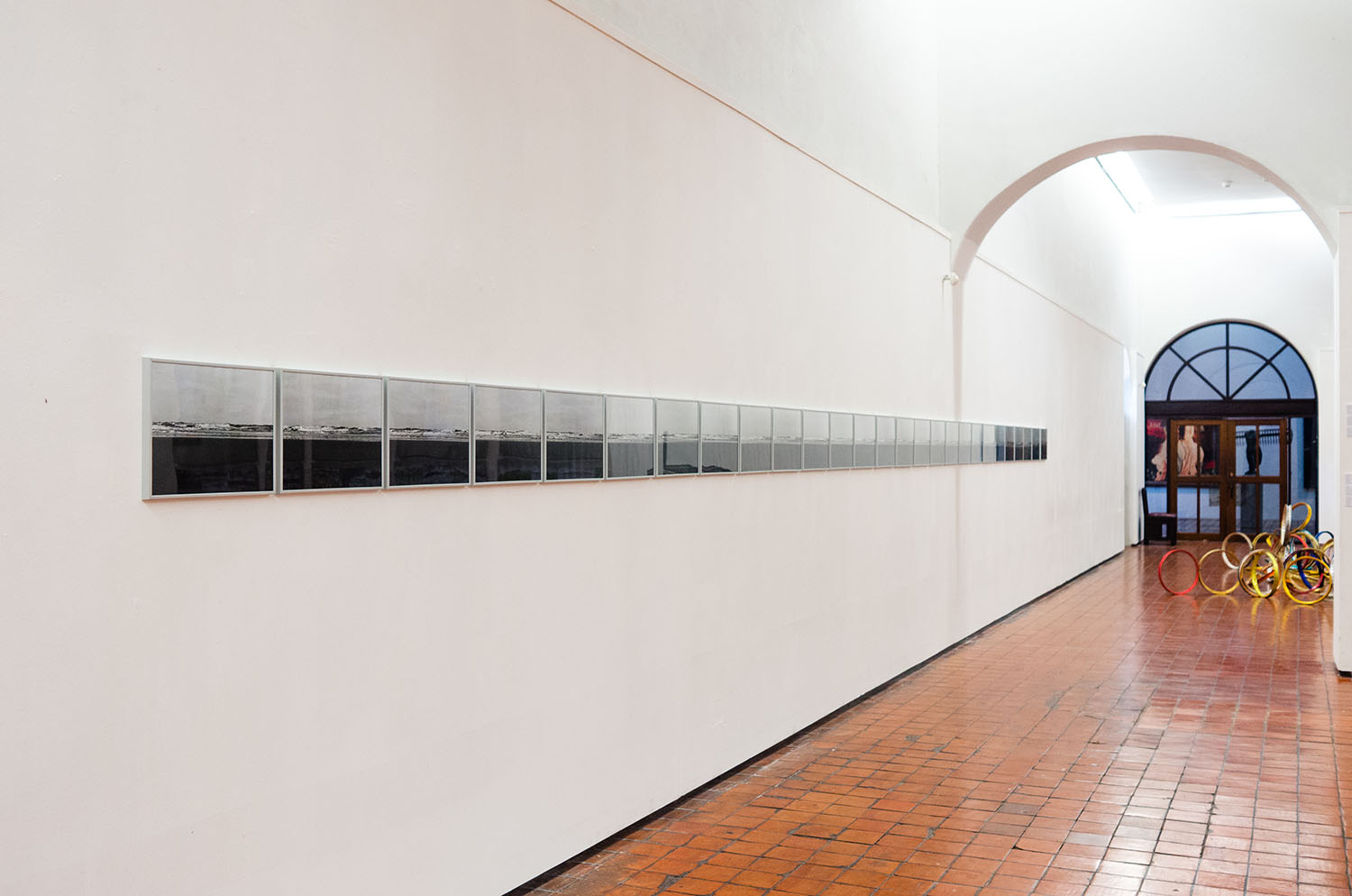
Installation of 27 photographic fragments · Analogue photography · 24 × 30 cm each, framed
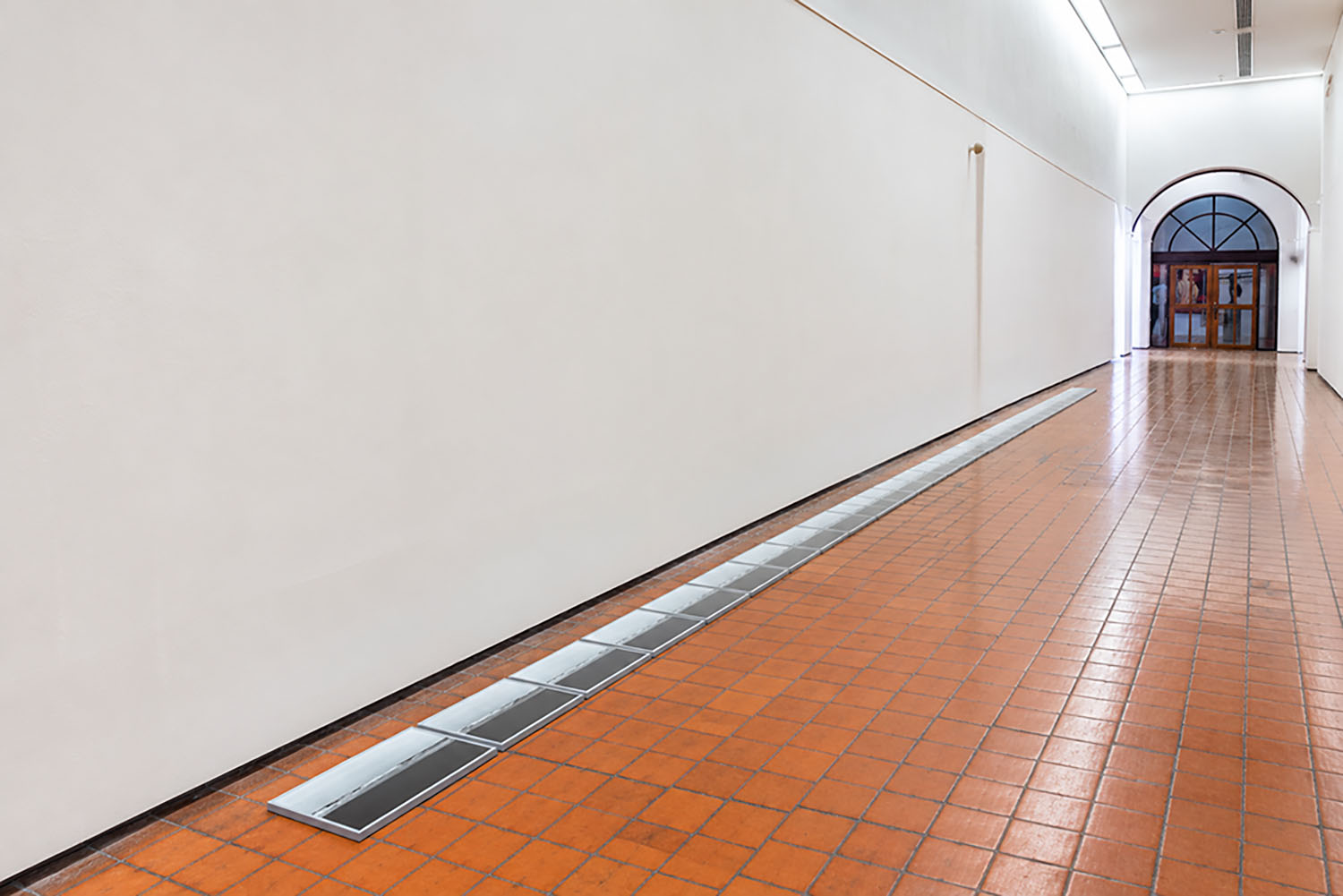
Installation of 27 photographic fragments · Analogue photography · 24 × 30 cm each, framed
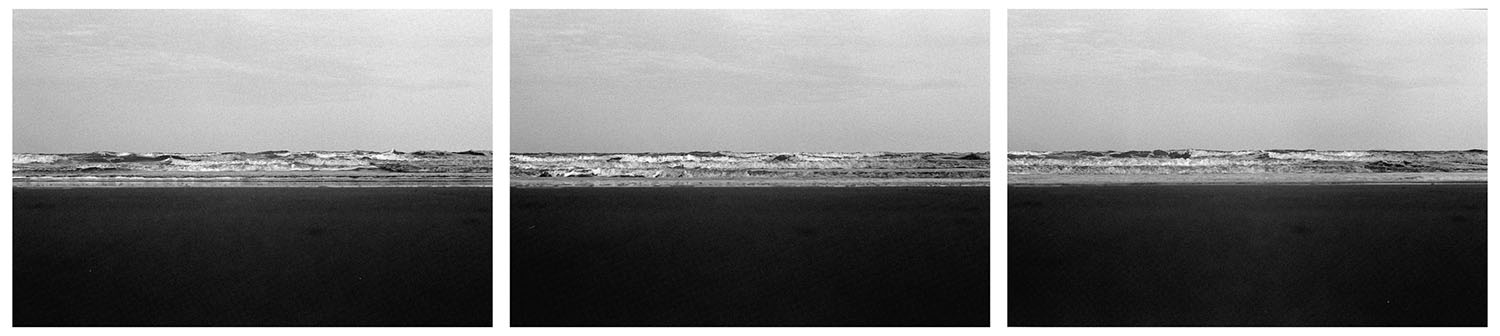
Three fragments of 27 photographic fragments · Analogue photography · 24 × 30 cm each, framed
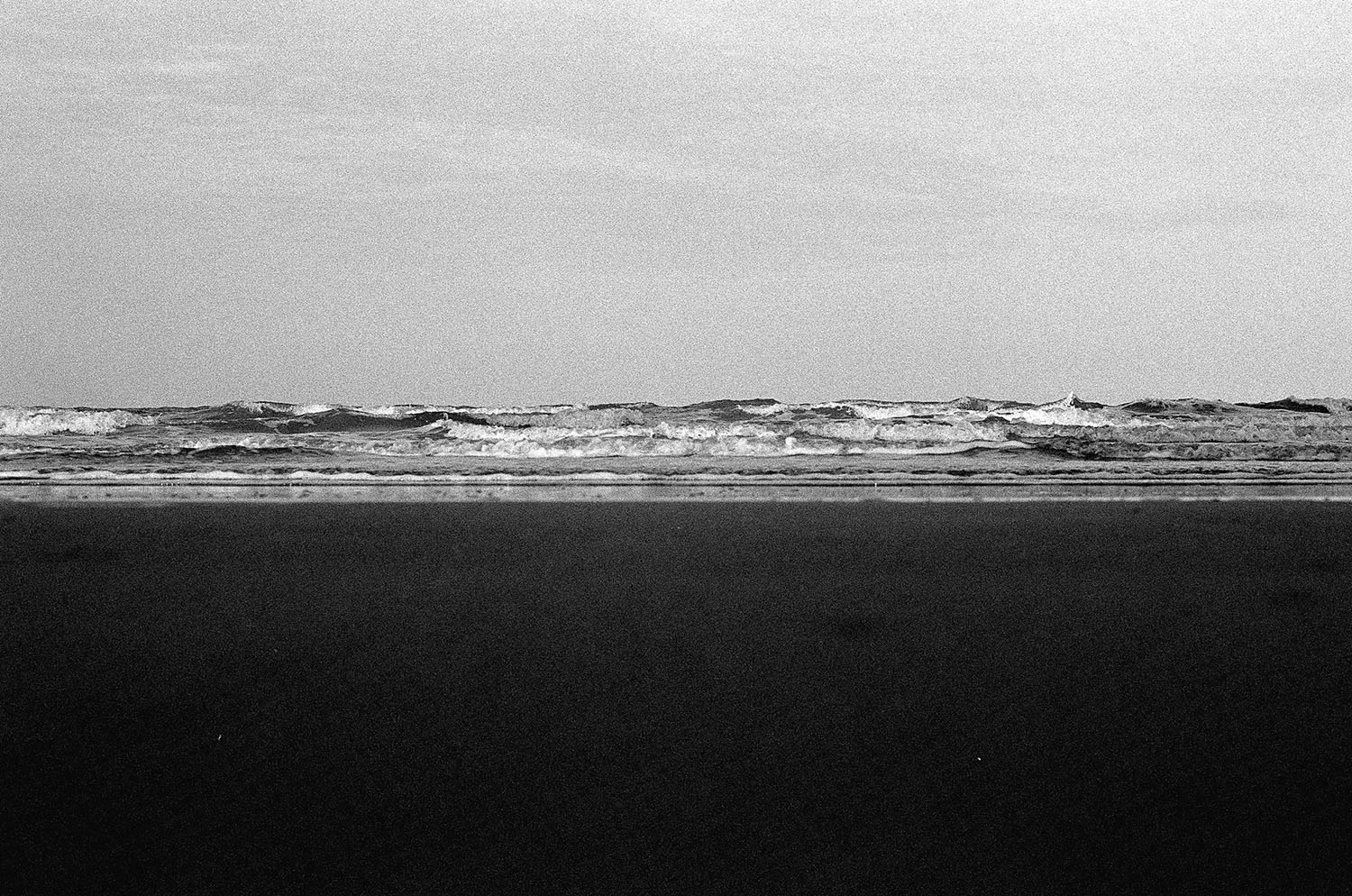
Landscape, Fragment 01/27
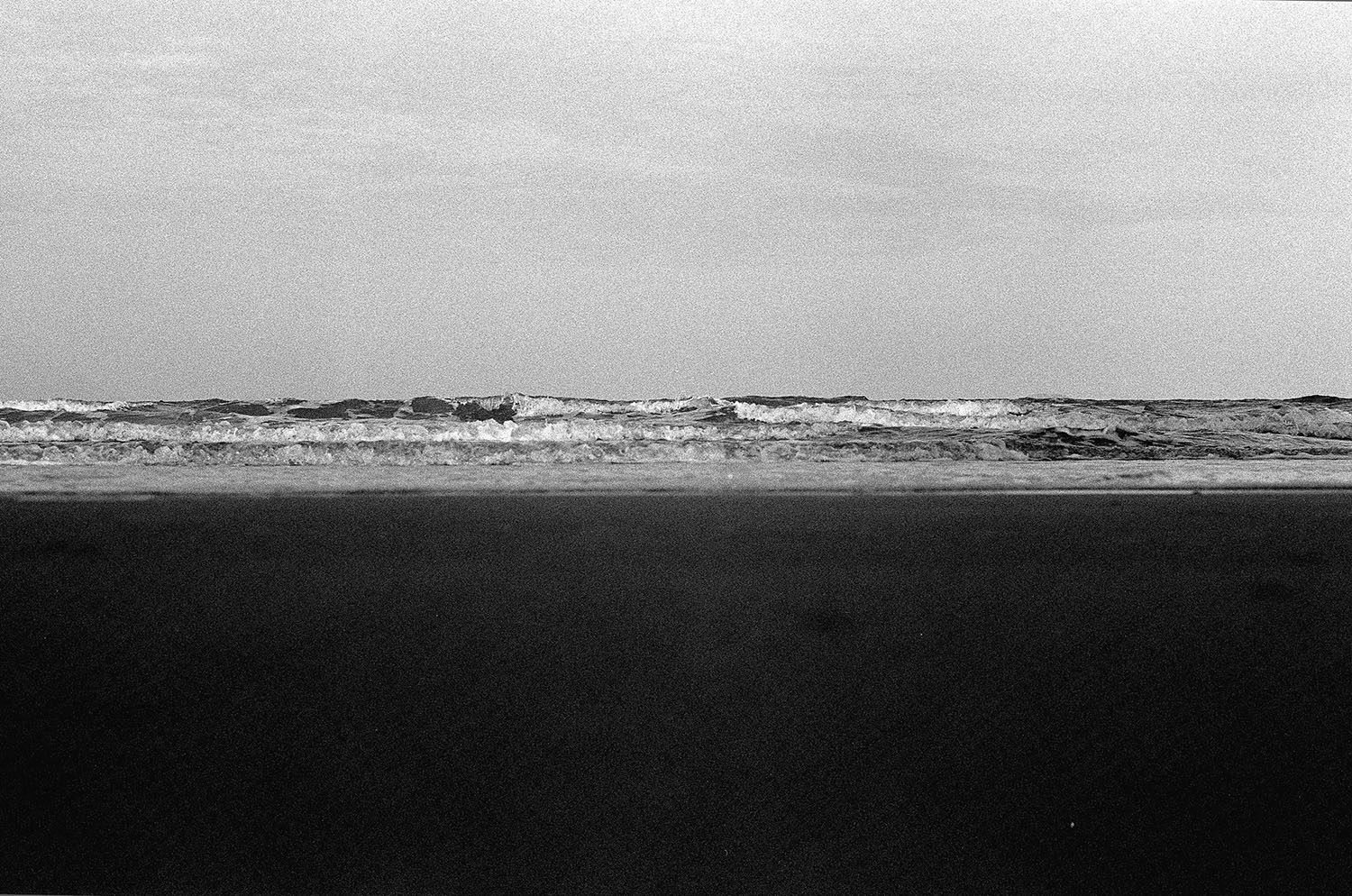
Landscape, Fragment 02/27
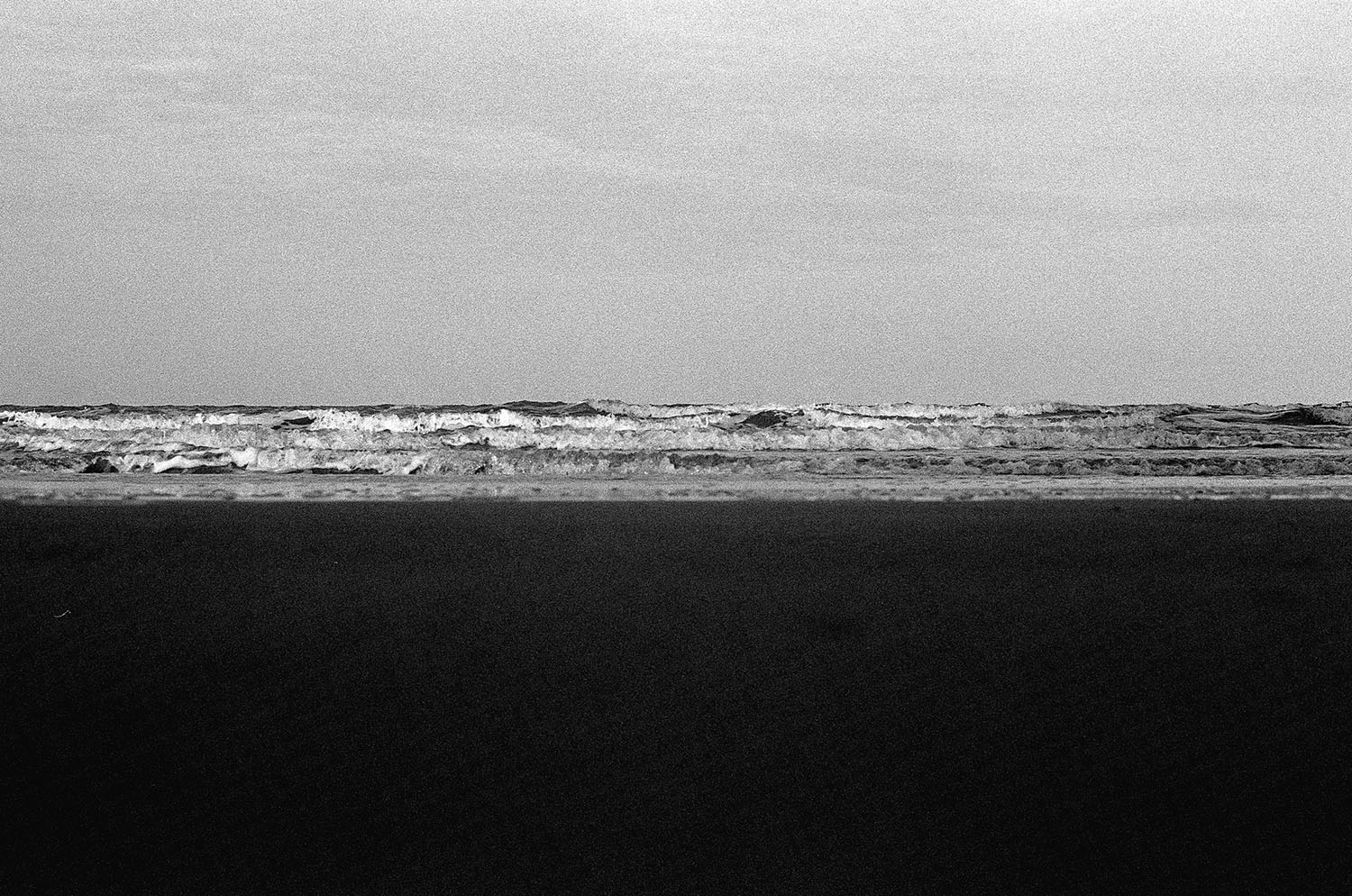
Landscape, Fragment 03/27