Pour tes 46 ans
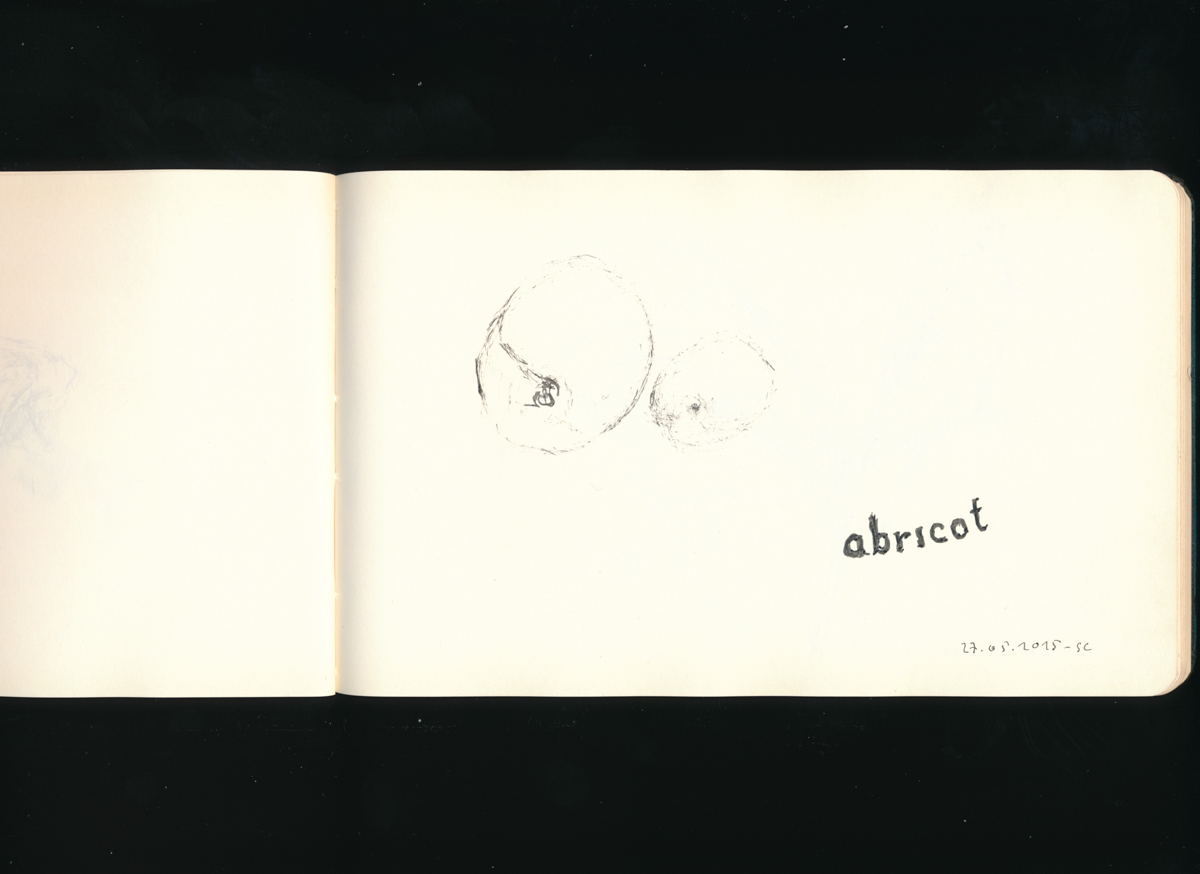
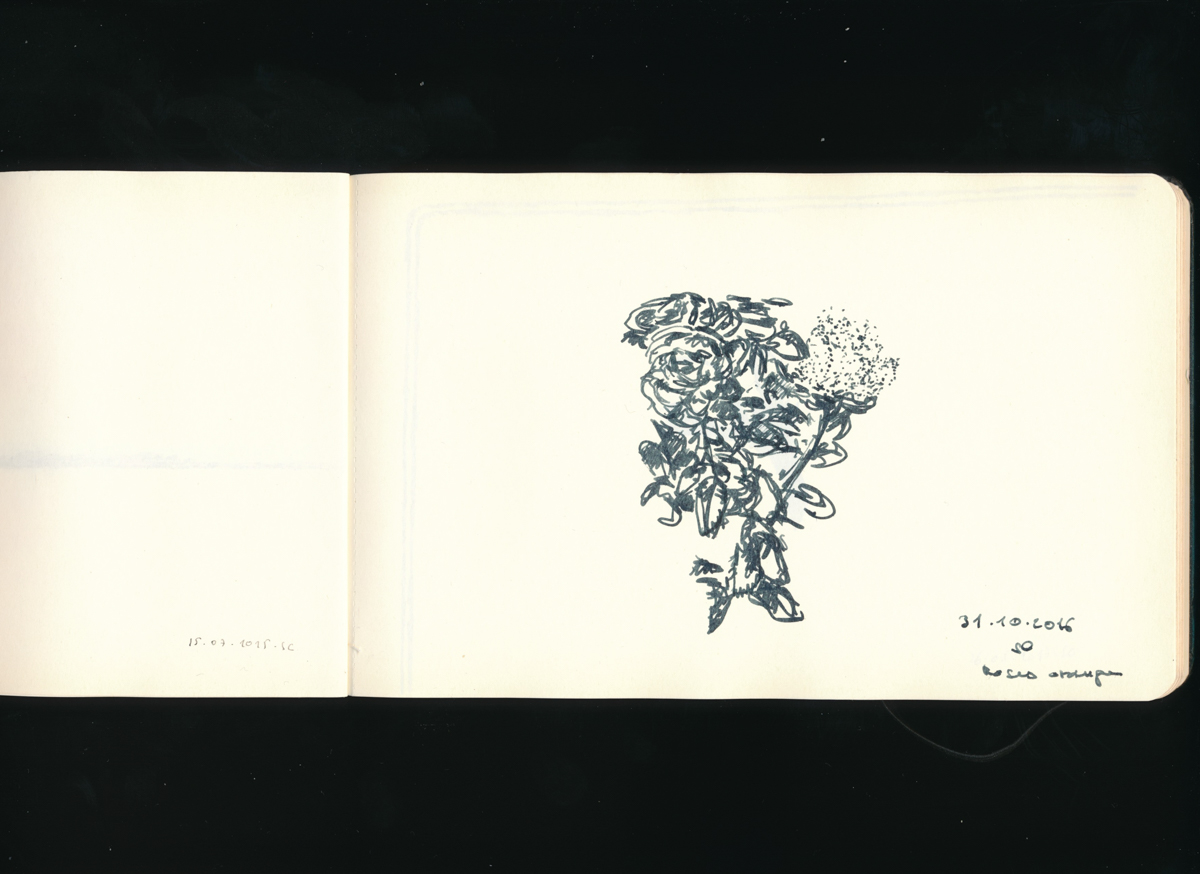
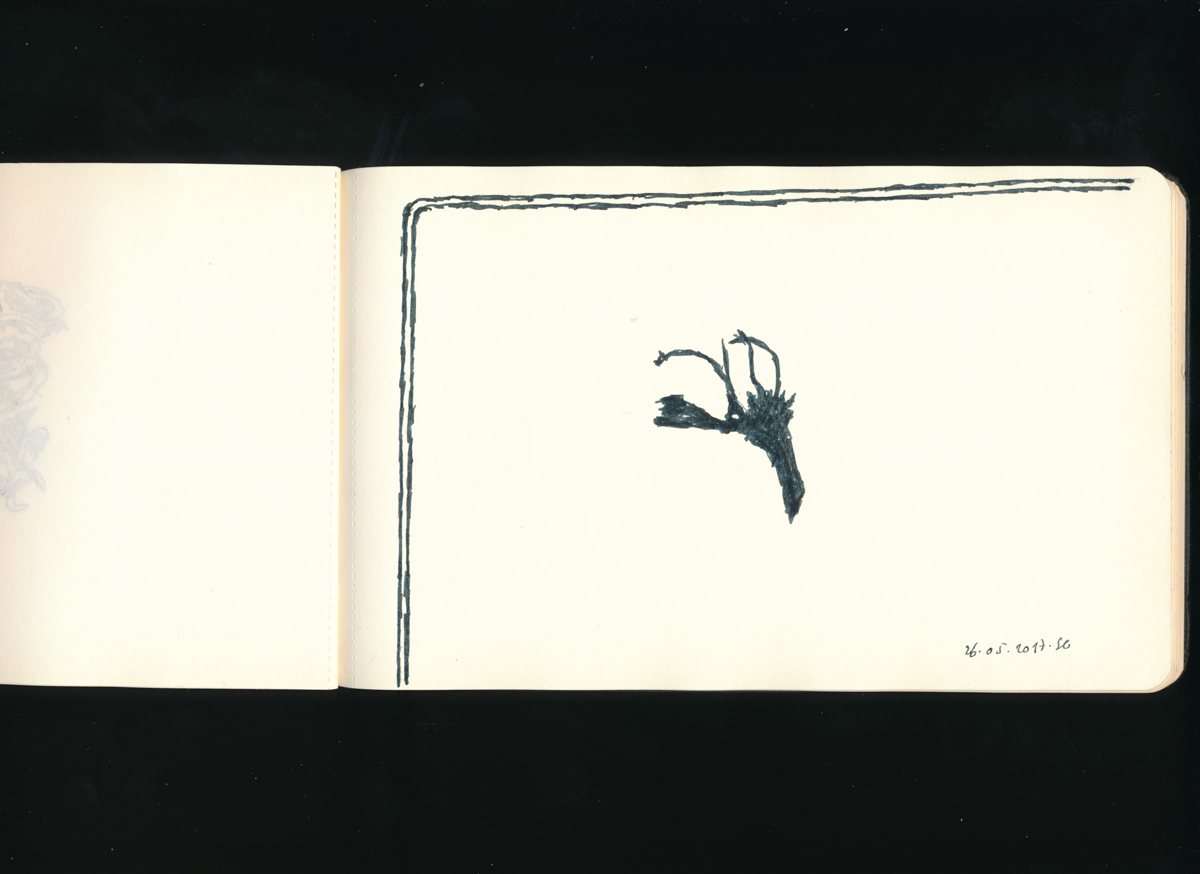
Pour tes 46 ans is a sketchbook given to me by my sons for my 46th birthday.
Unlike drawings conceived as finished works, these pages developed freely through everyday observation. I drew whenever something caught my attention—a flower, a plant, a hand, my own face, or simply a form that I wanted to remember.
There was no predetermined project and no obligation to complete an image. Some drawings are rapid and spontaneous; others become denser through repetition and accumulated lines. Empty areas of the page are often as important as the drawing itself.
Flowers return frequently throughout the book. They are not botanical studies in a strict sense, but encounters with particular forms: a stem, the construction of a flower, a branch held momentarily in the hand. The self-portrait belongs to the same process of observation—the gaze simply turns from the surrounding world toward myself.
Seen together, the pages form a quiet visual diary. They preserve small moments that might otherwise disappear: things noticed, looked at, and drawn because, at that particular moment, they seemed worth keeping.
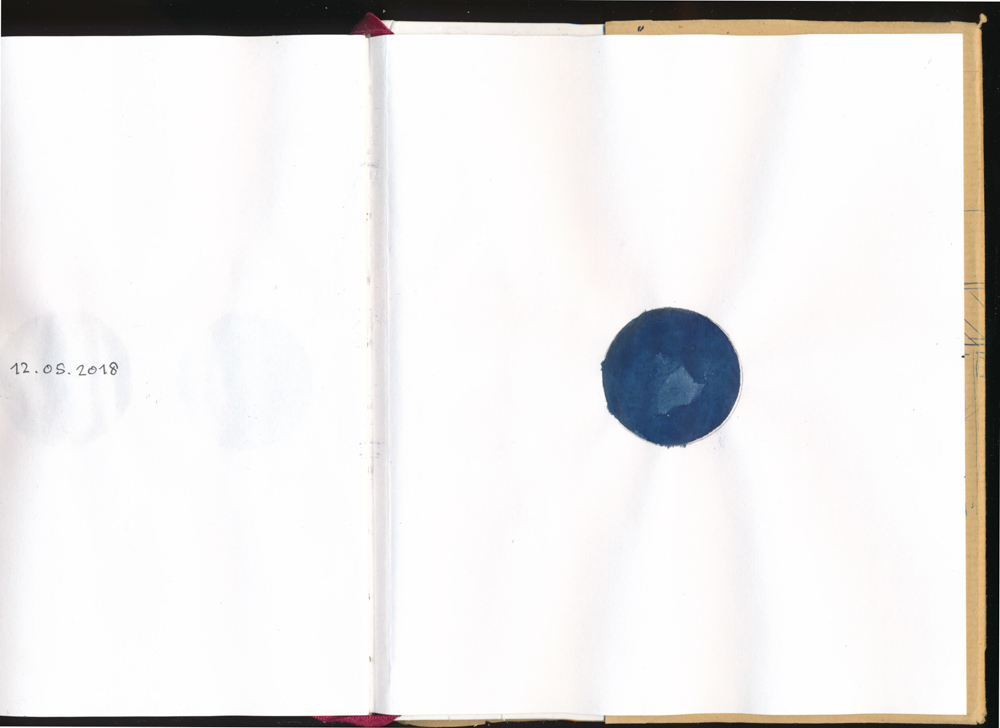
04.2 — Leporello — Ink Drawings, 2002
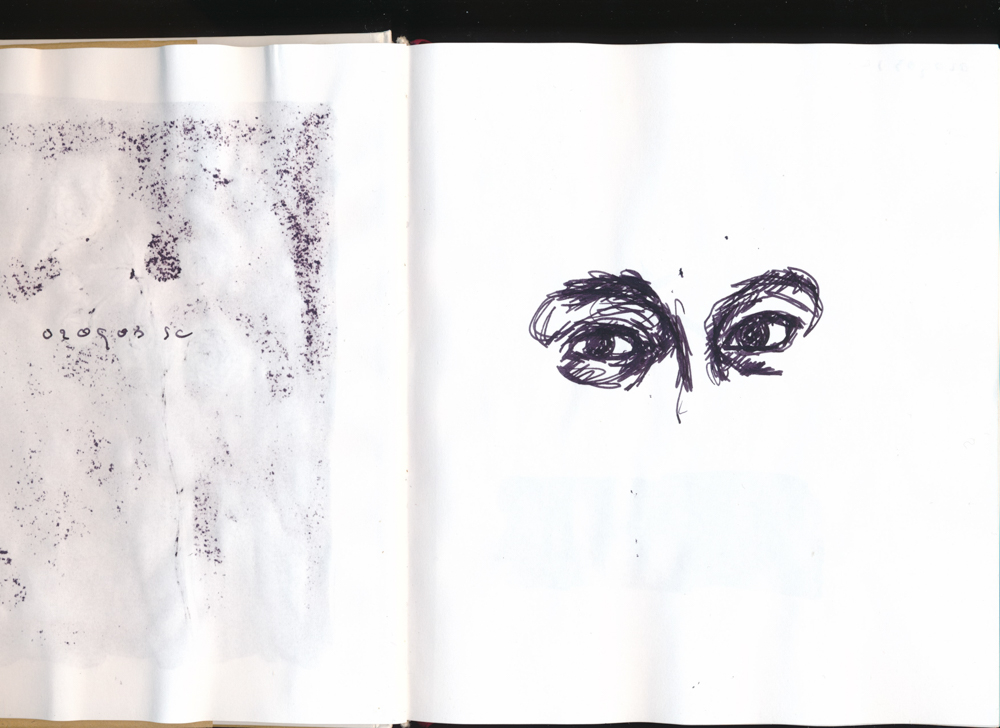
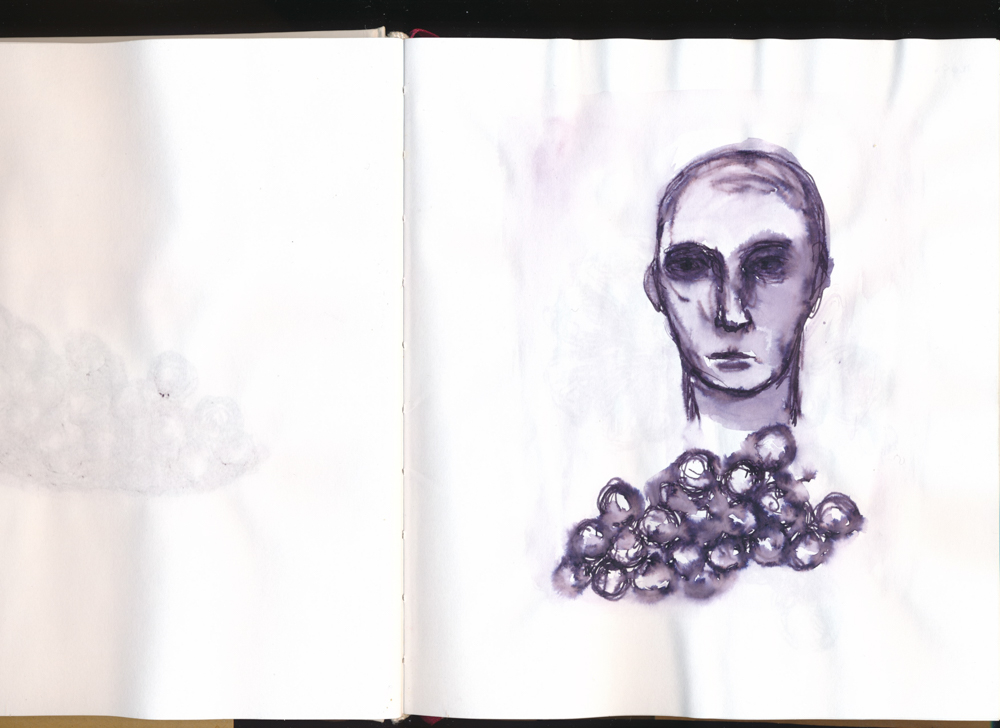
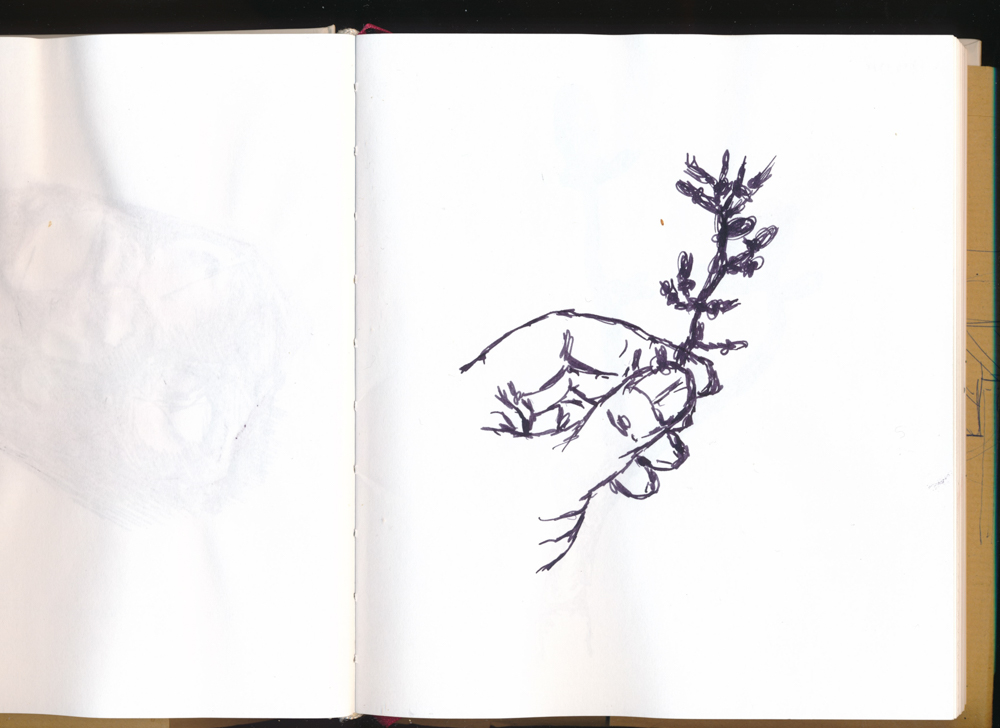
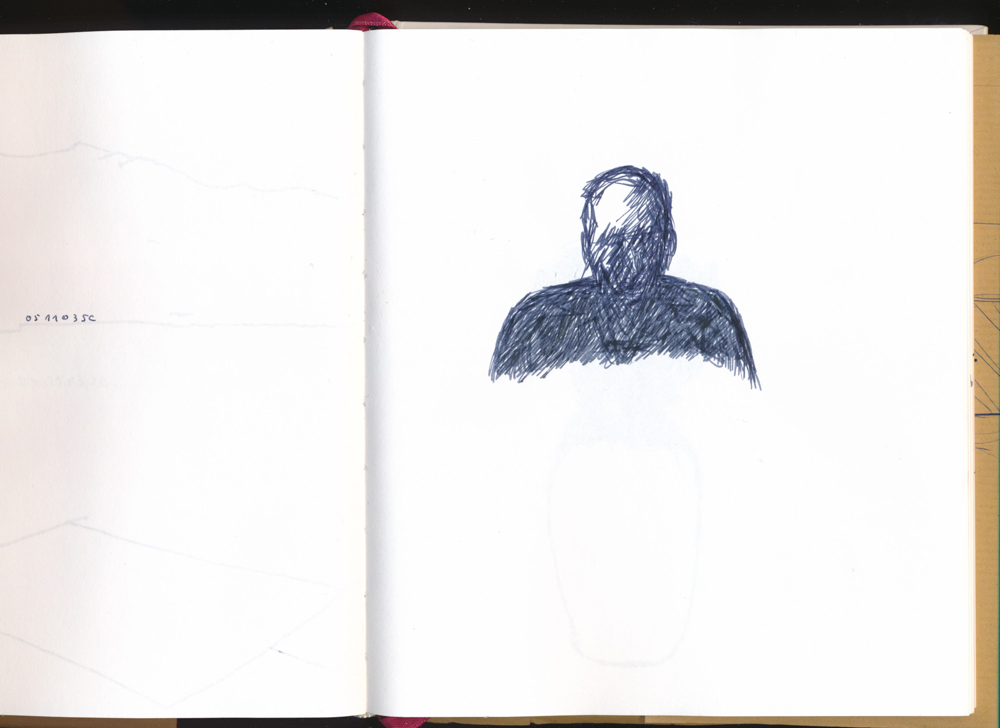
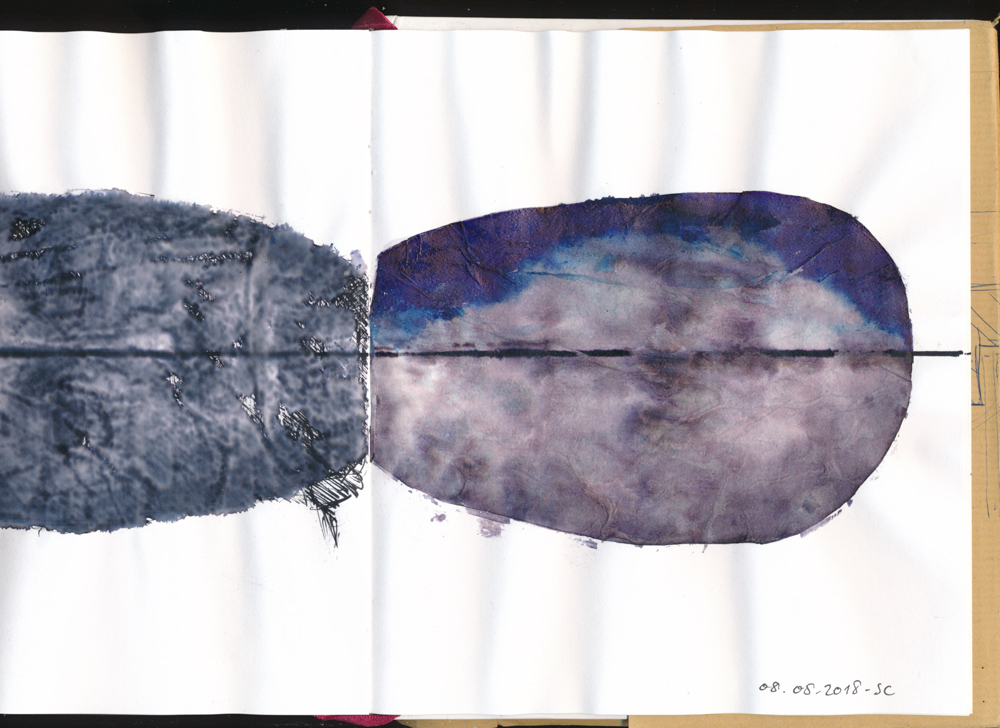
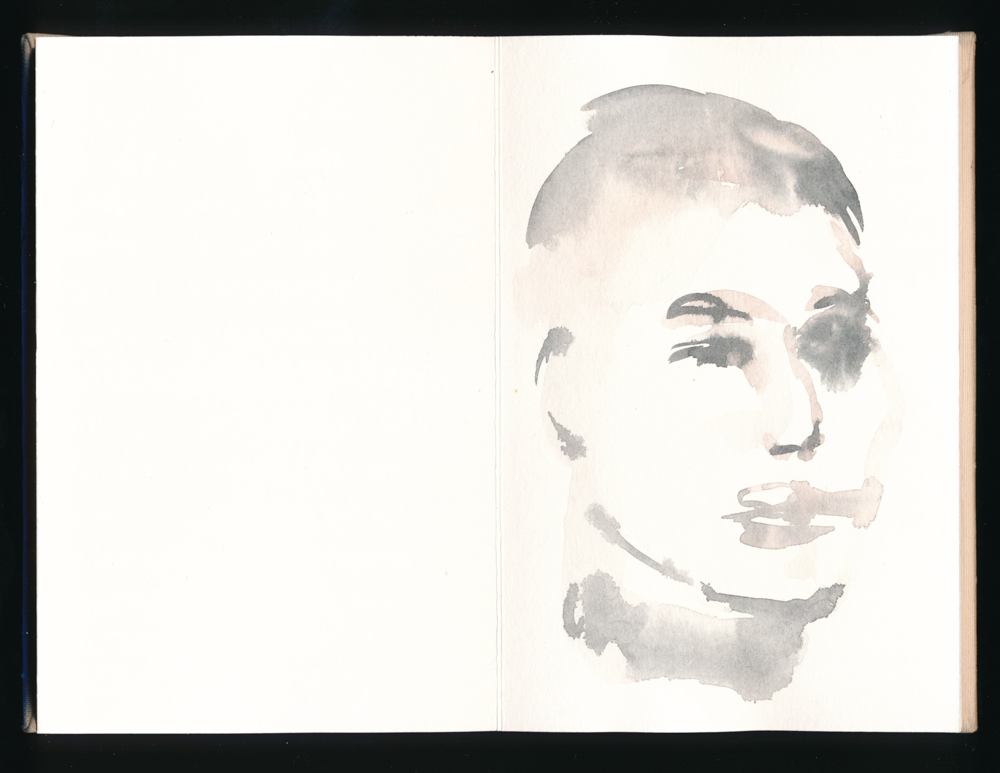
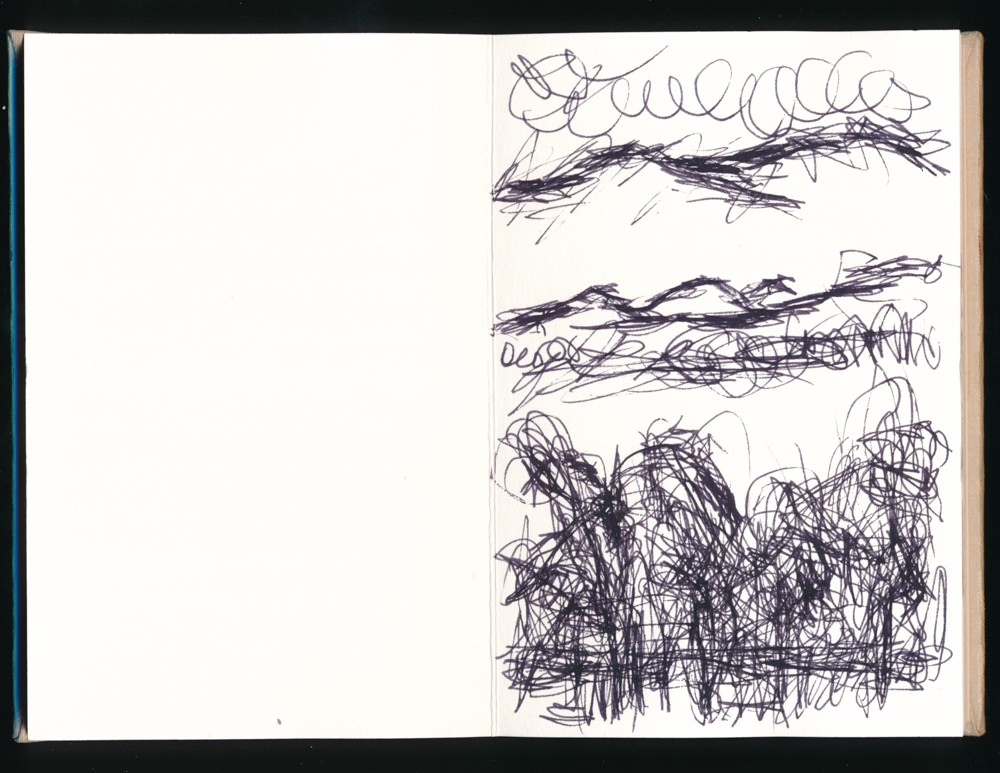
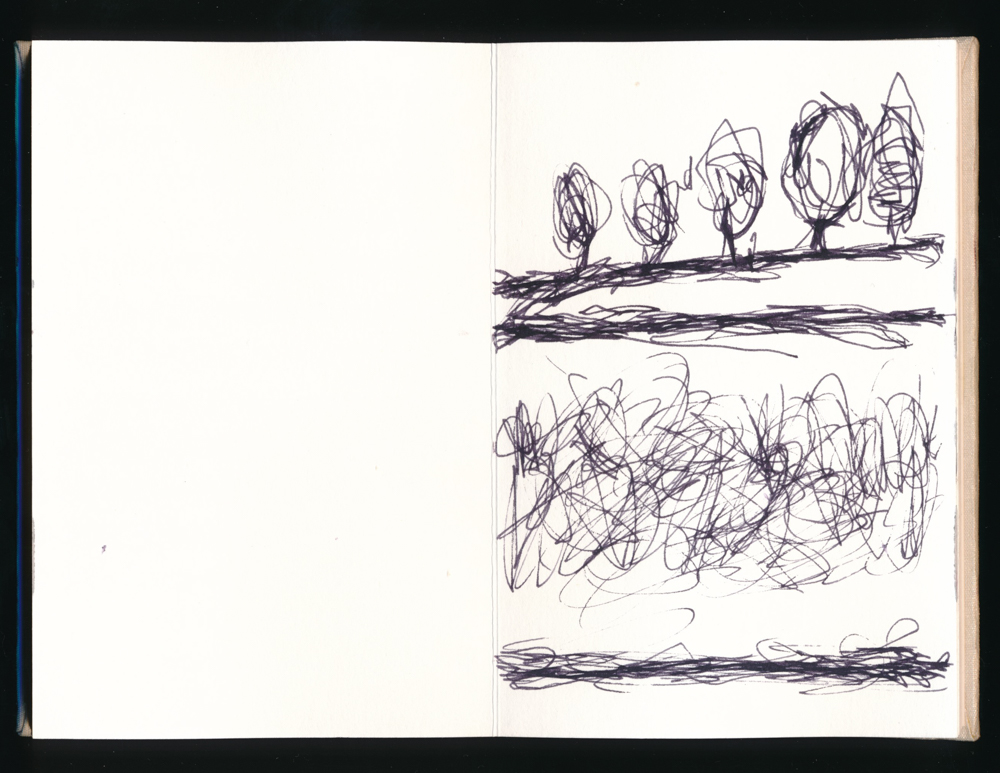
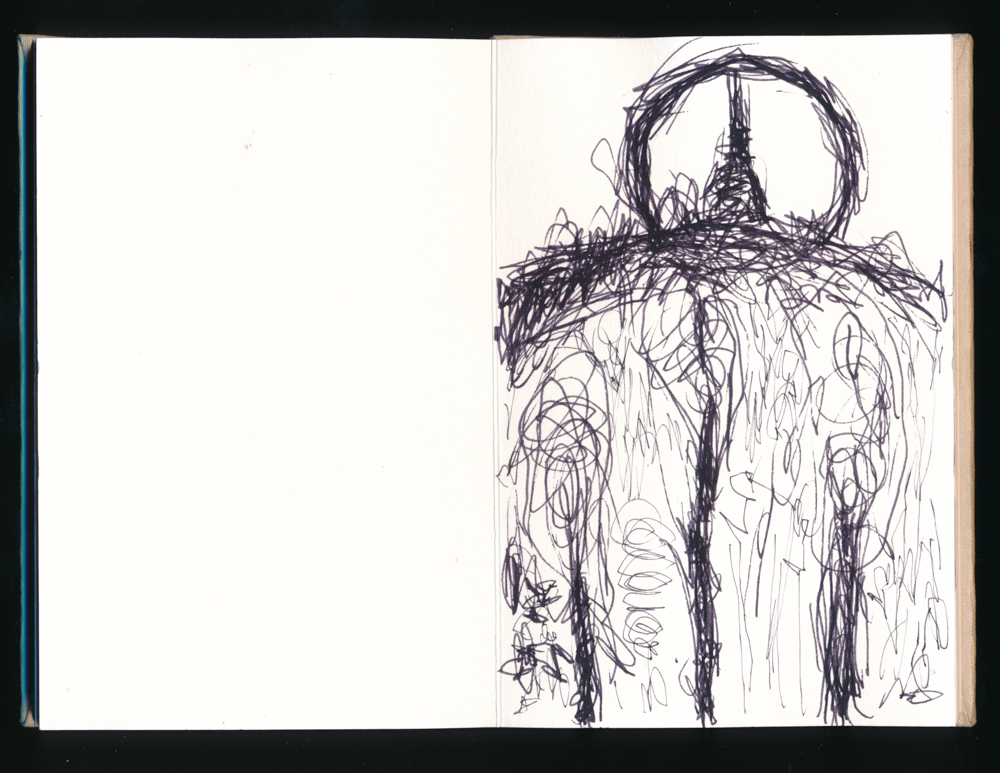
This small leporello, made in 2002, brings together a sequence of spontaneous drawings in ink, sometimes touched with water. Its intimate format—16 × 11 cm—encouraged a direct way of working: observing something, responding to it, and moving on without attempting to transform every drawing into a finished work.
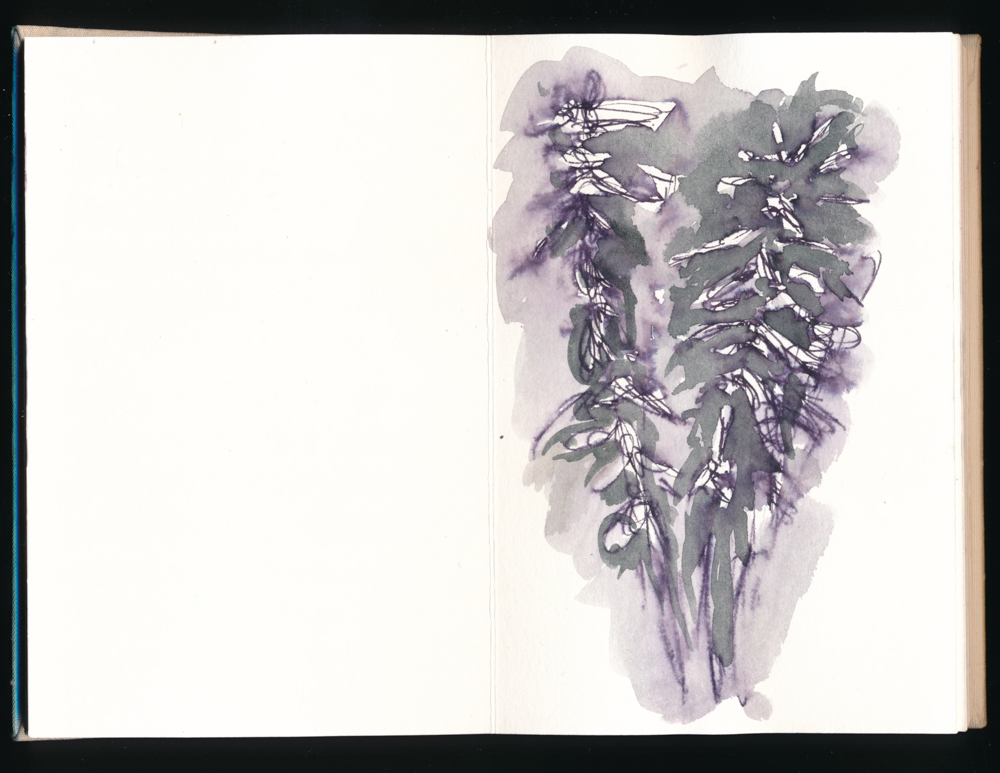
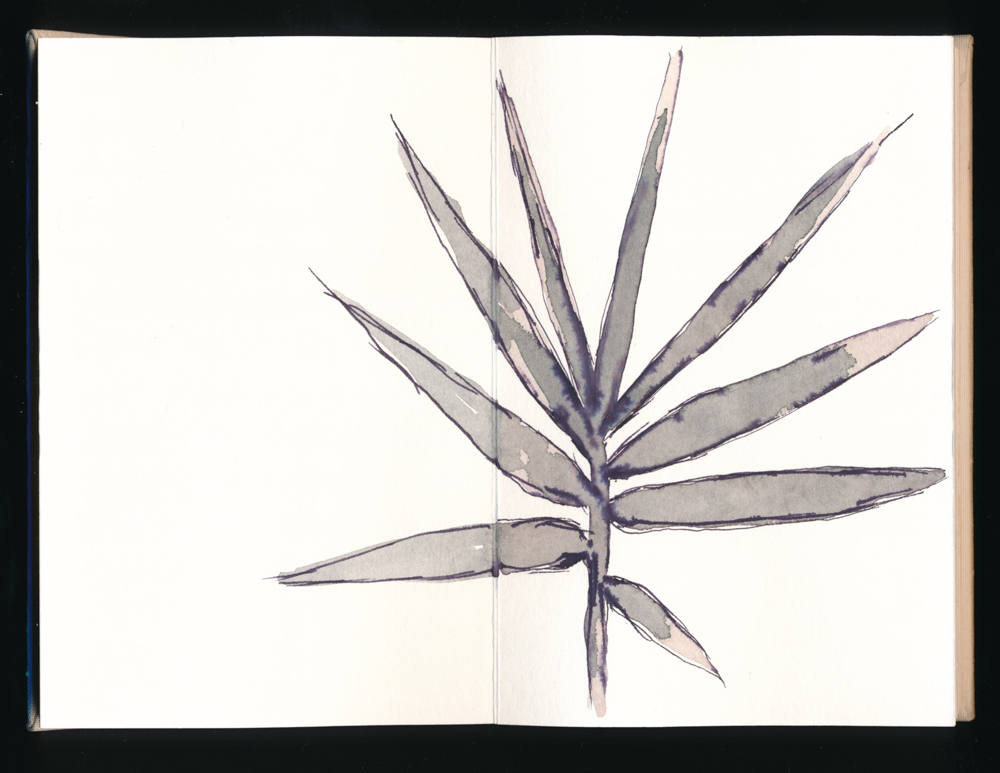
The subjects move freely between flowers and plants, the human face, self-portrait and fragments of landscape. Their treatment changes just as freely. A single form may occupy an otherwise empty page, while another drawing develops through an accumulation of rapid, repeated lines until the subject almost disappears into the density of the marks.
Water introduces another condition. When it touches the ink, the line loses its precision and becomes wash, shadow or atmosphere. At times the image is constructed through drawing; at others it seems to emerge from a stain. Control and accident therefore remain in constant exchange.
Seen as a sequence, the leporello is less a collection of separate drawings than a record of looking. Its rhythm moves between emptiness and density, observation and memory, the recognizable and the almost abstract. The small book becomes a space in which an image can be caught quickly, allowed to change, and sometimes left deliberately unresolved.
Ink on paper, sometimes diluted with water · Leporello · 16 × 11 cm · 2002 Continue reading
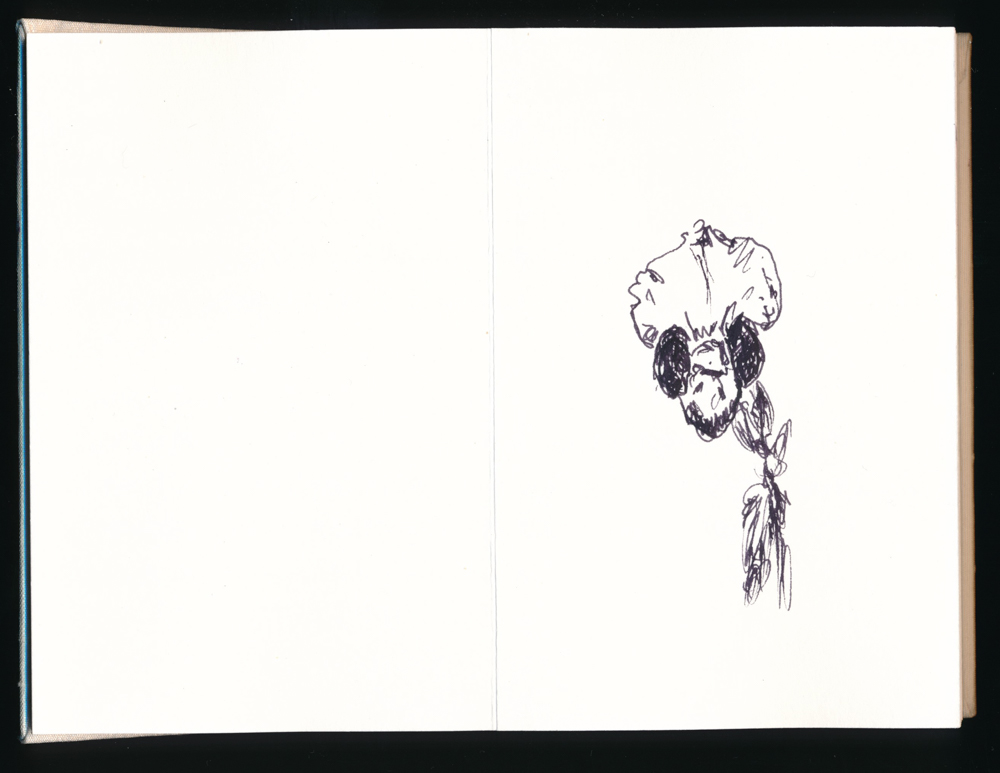
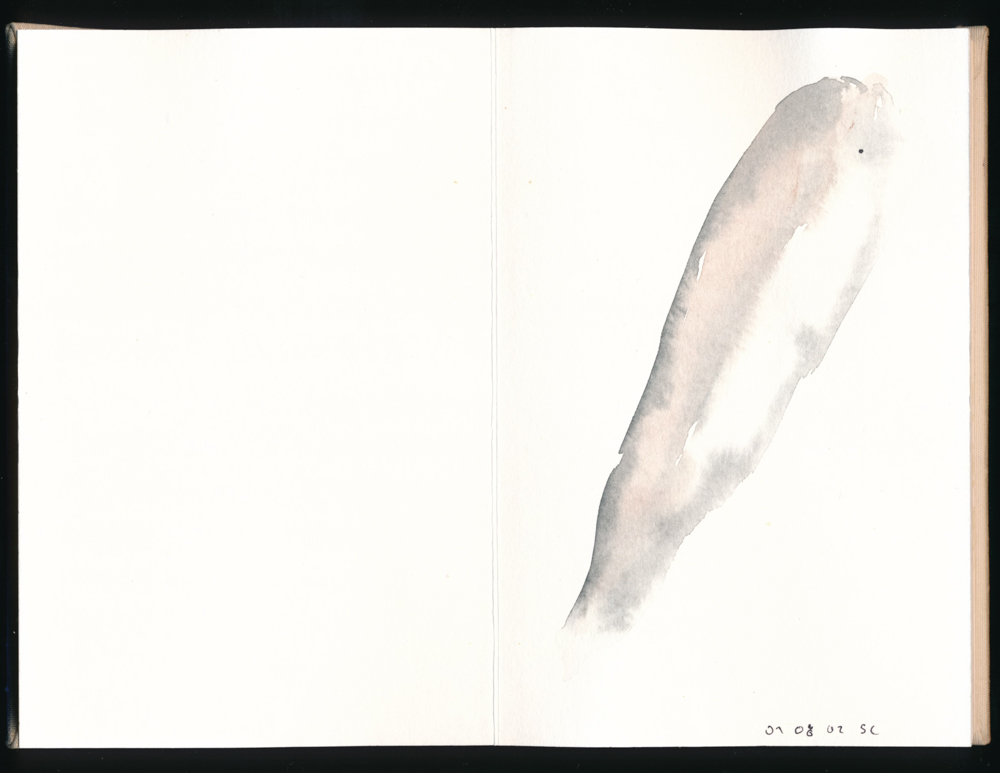
04.3 — Notebook
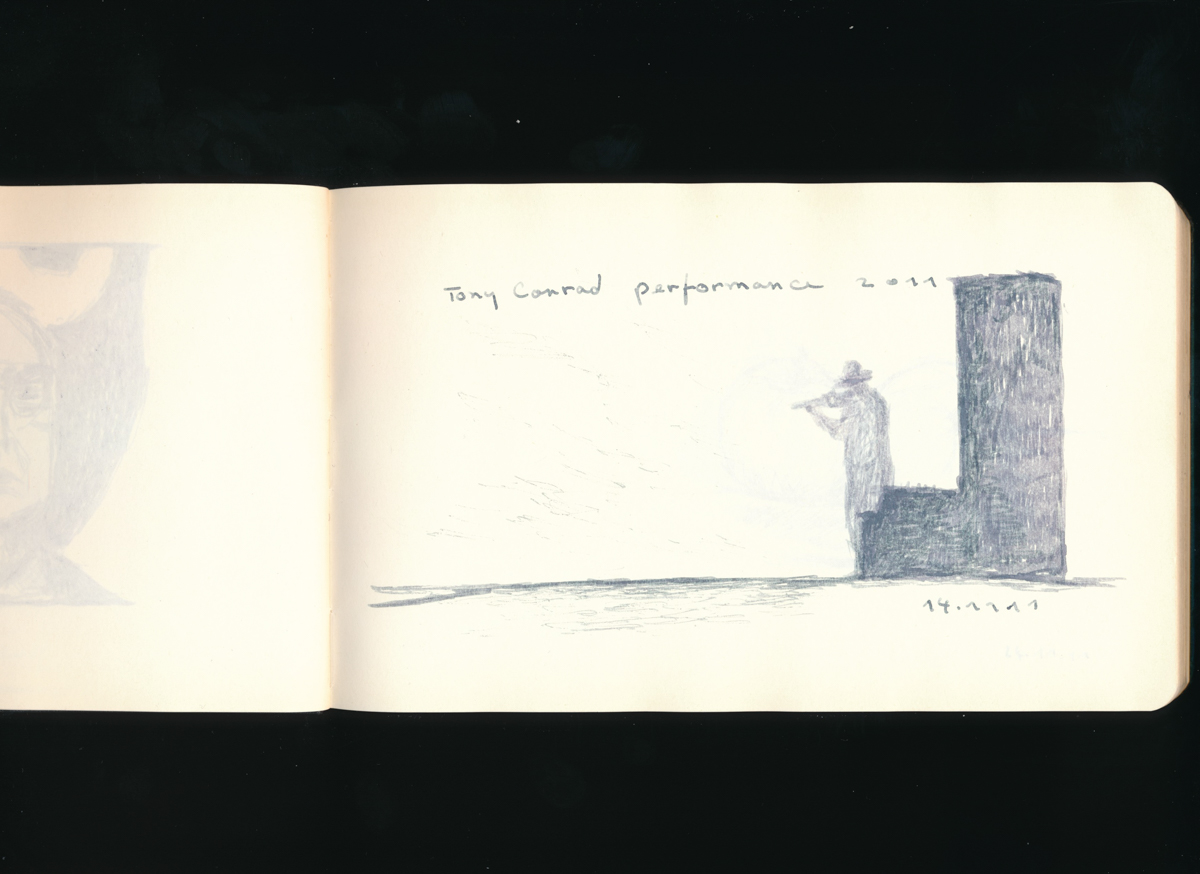
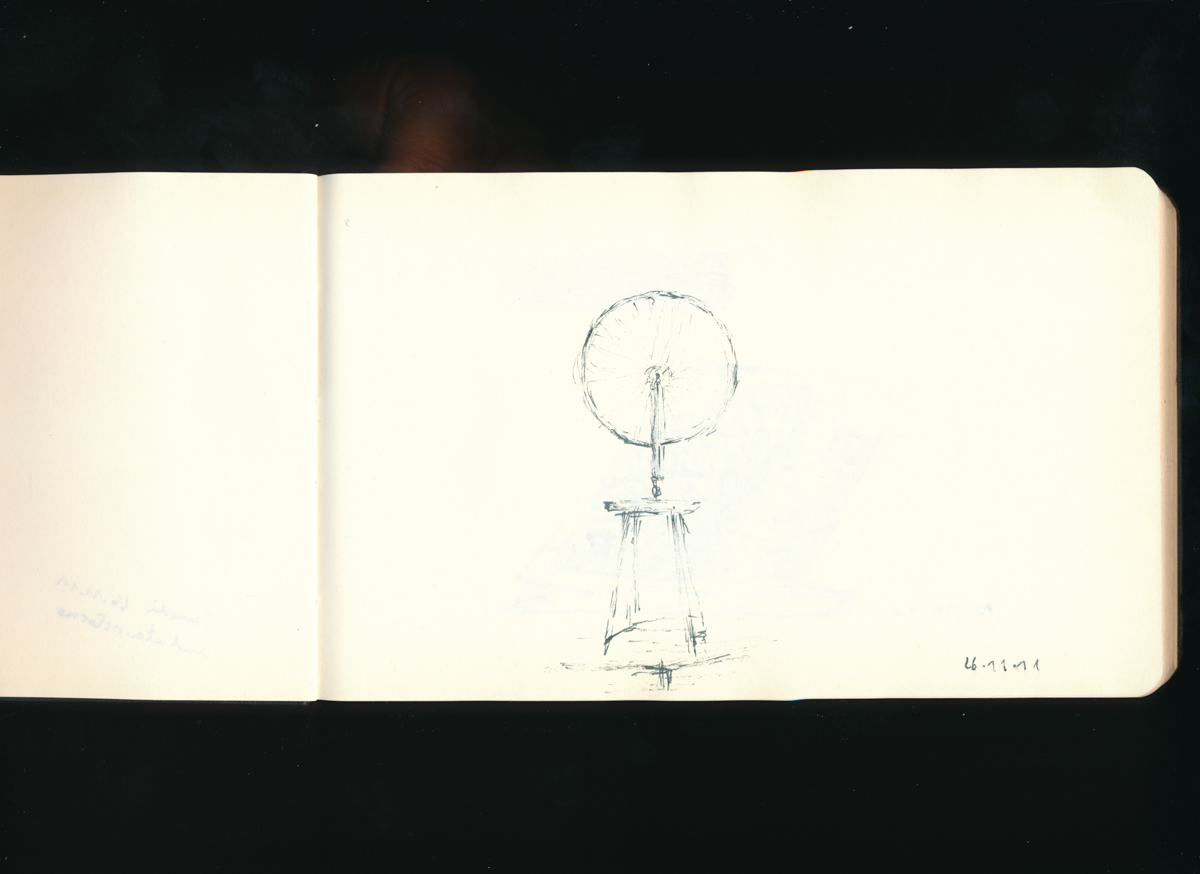
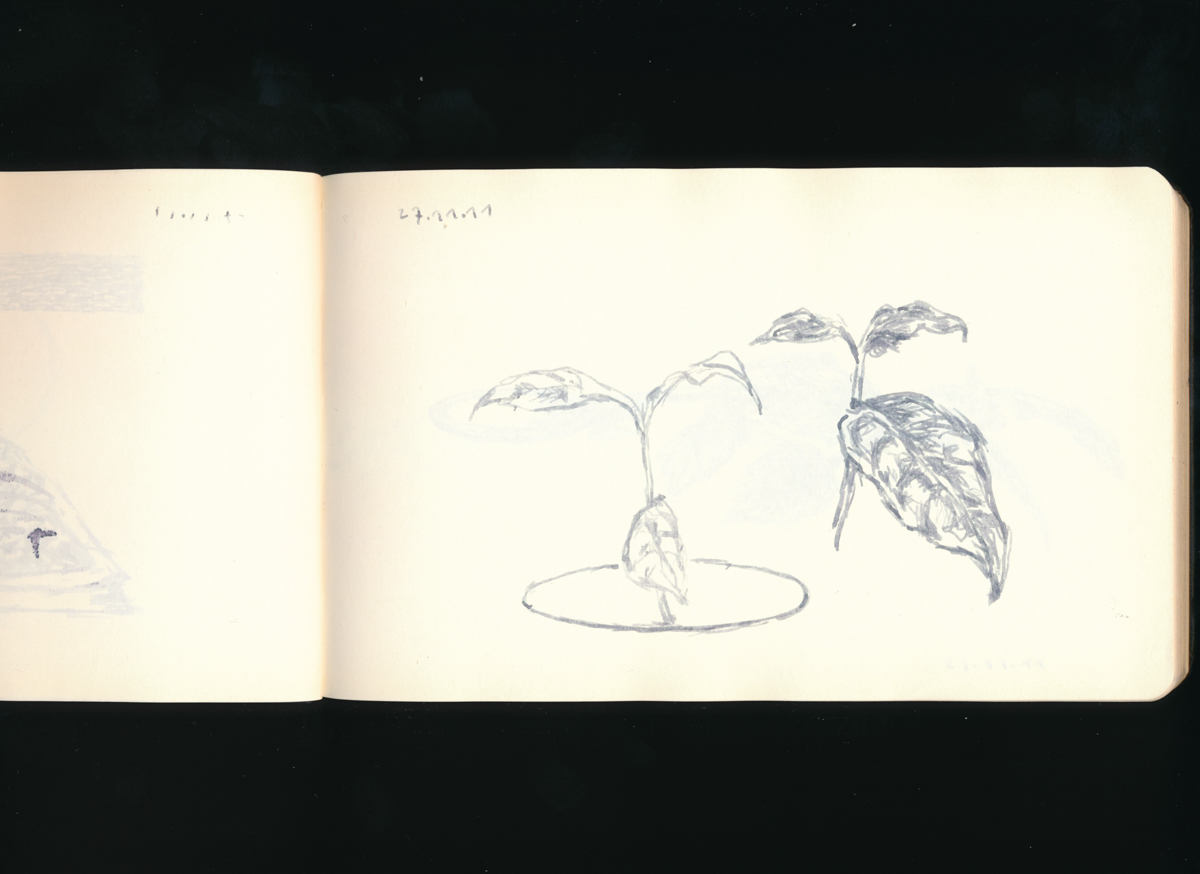
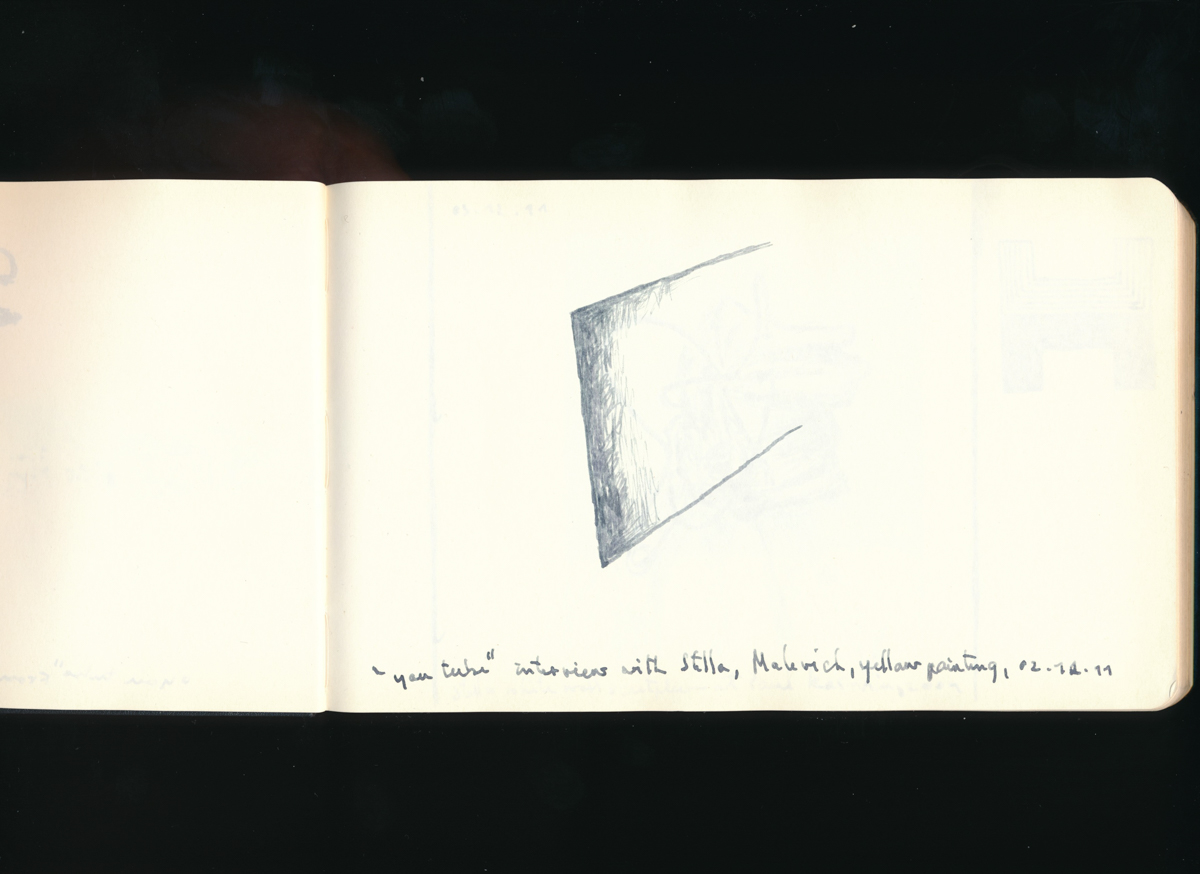
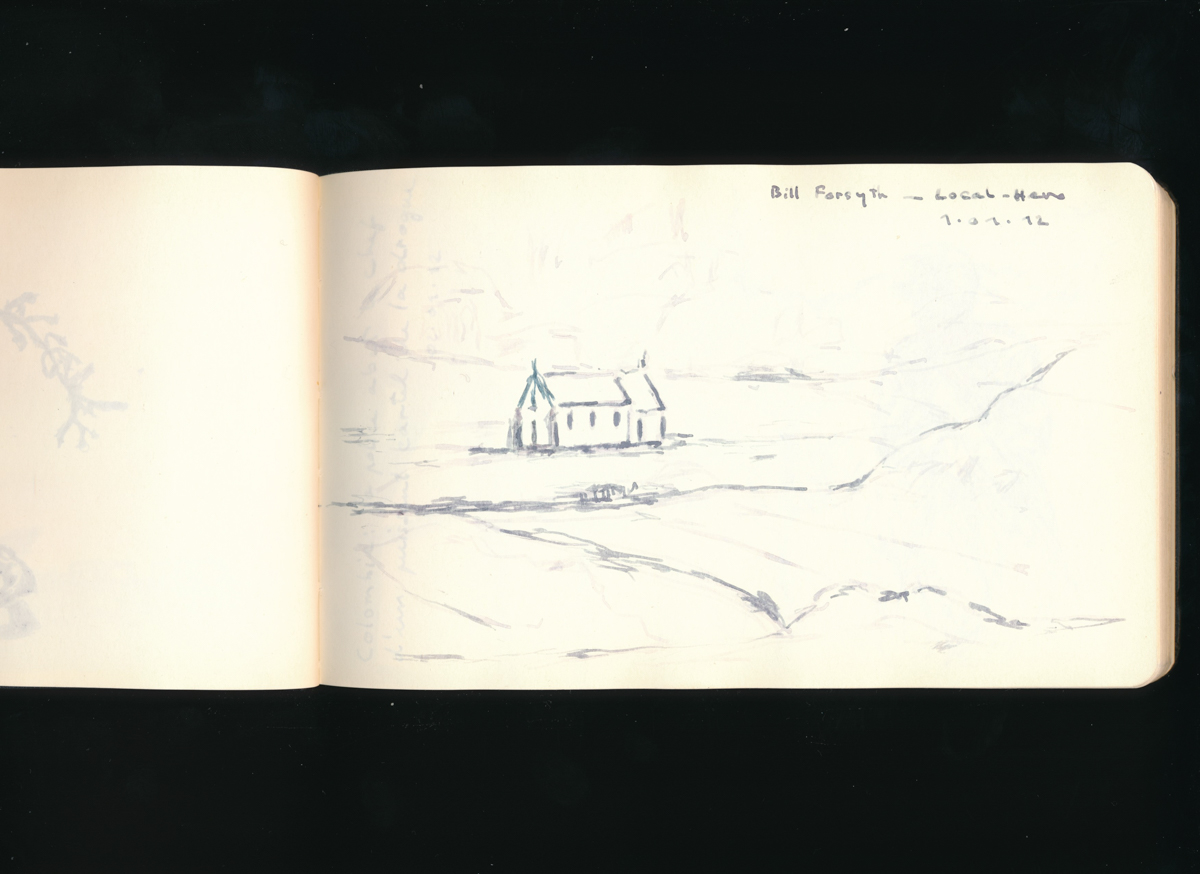
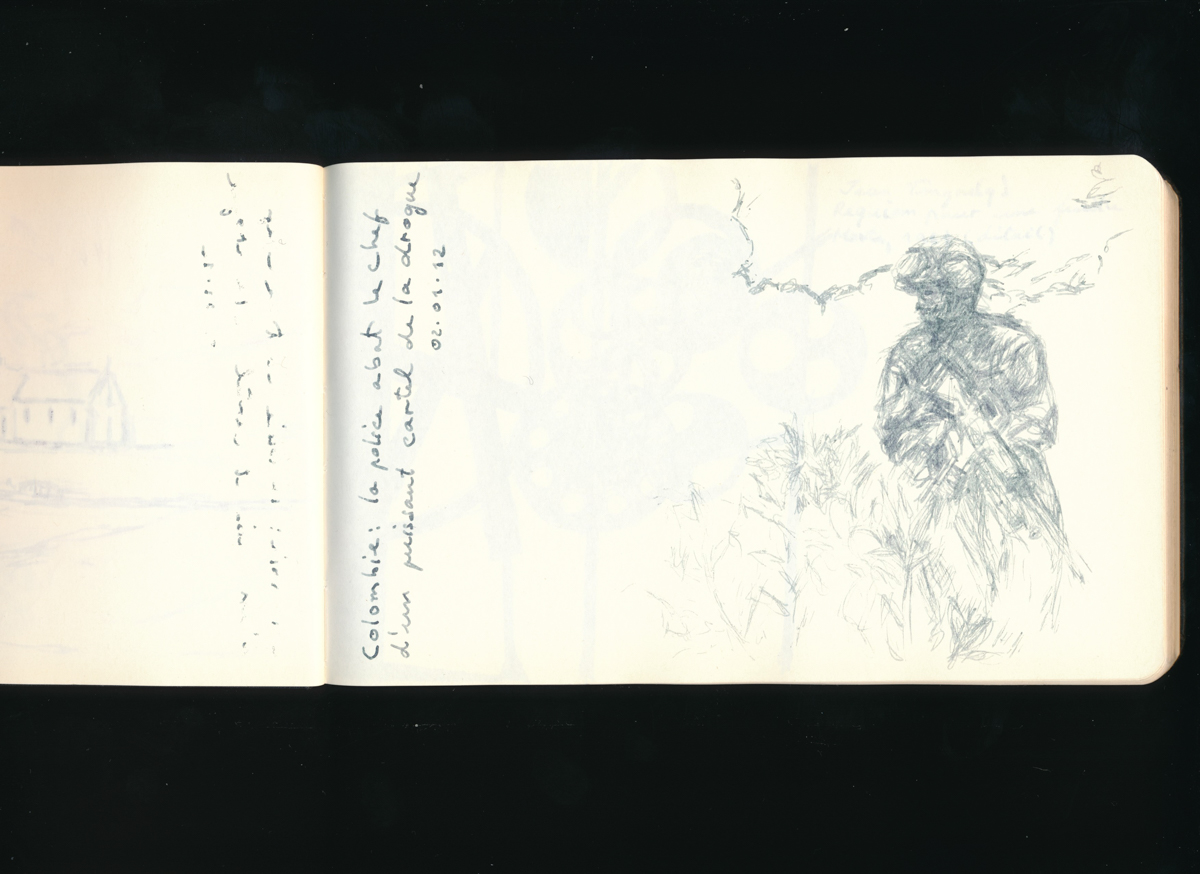
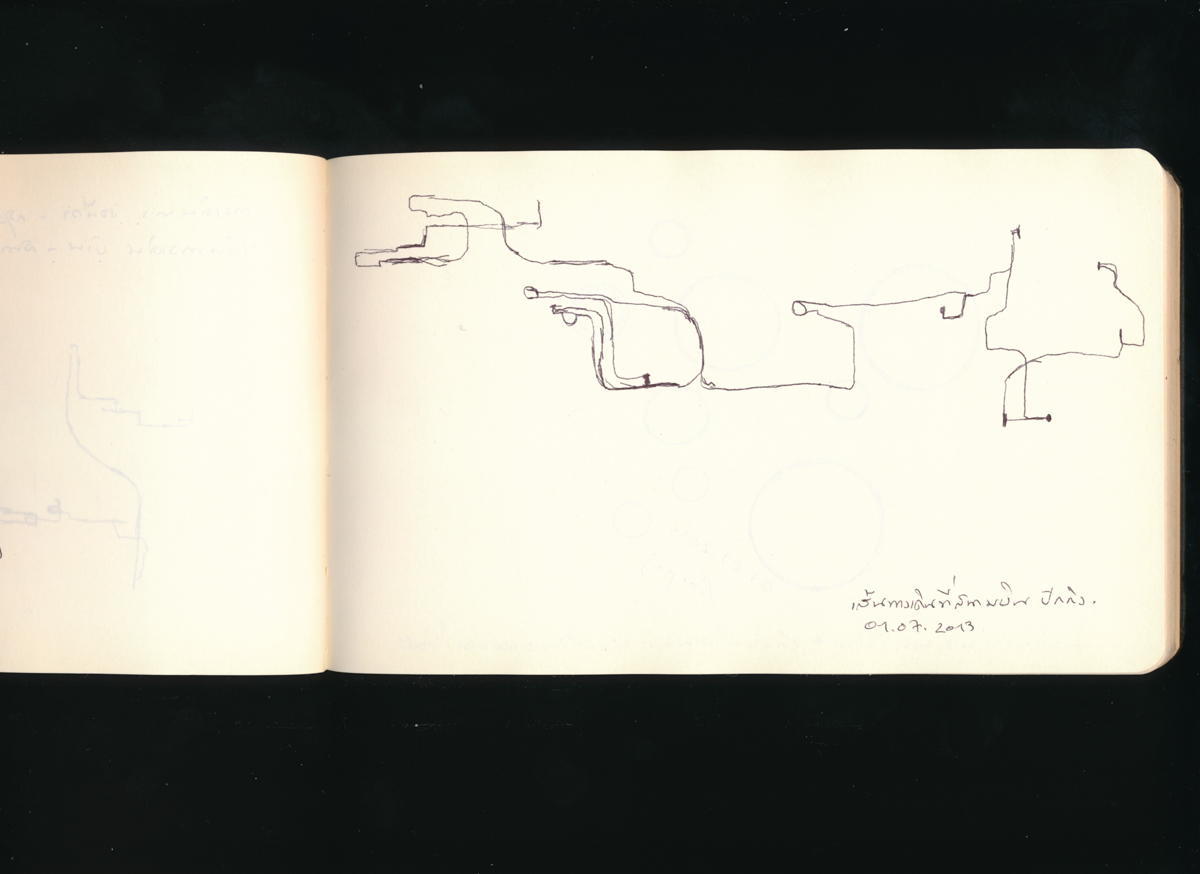
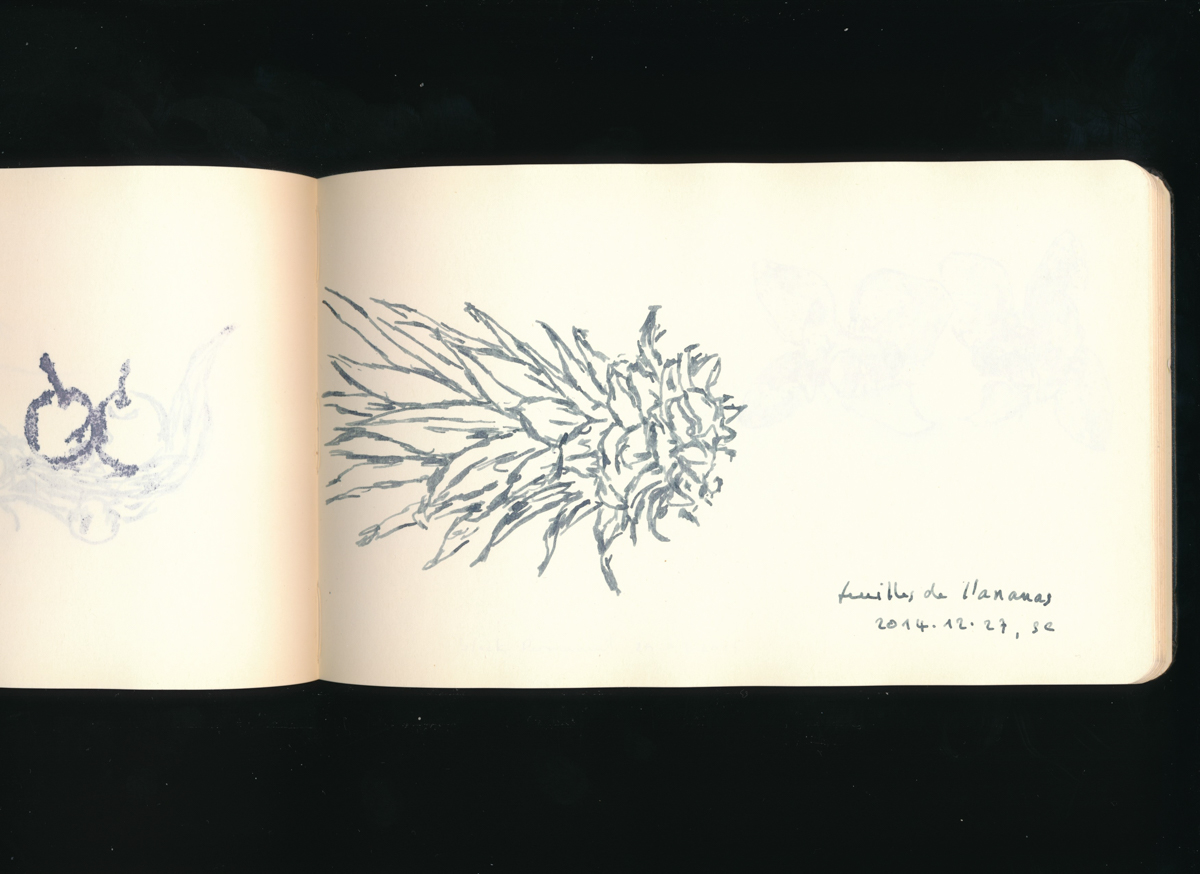
Moleskine, 2011–2015
Selection of 26 drawings from approximately 100 pages.
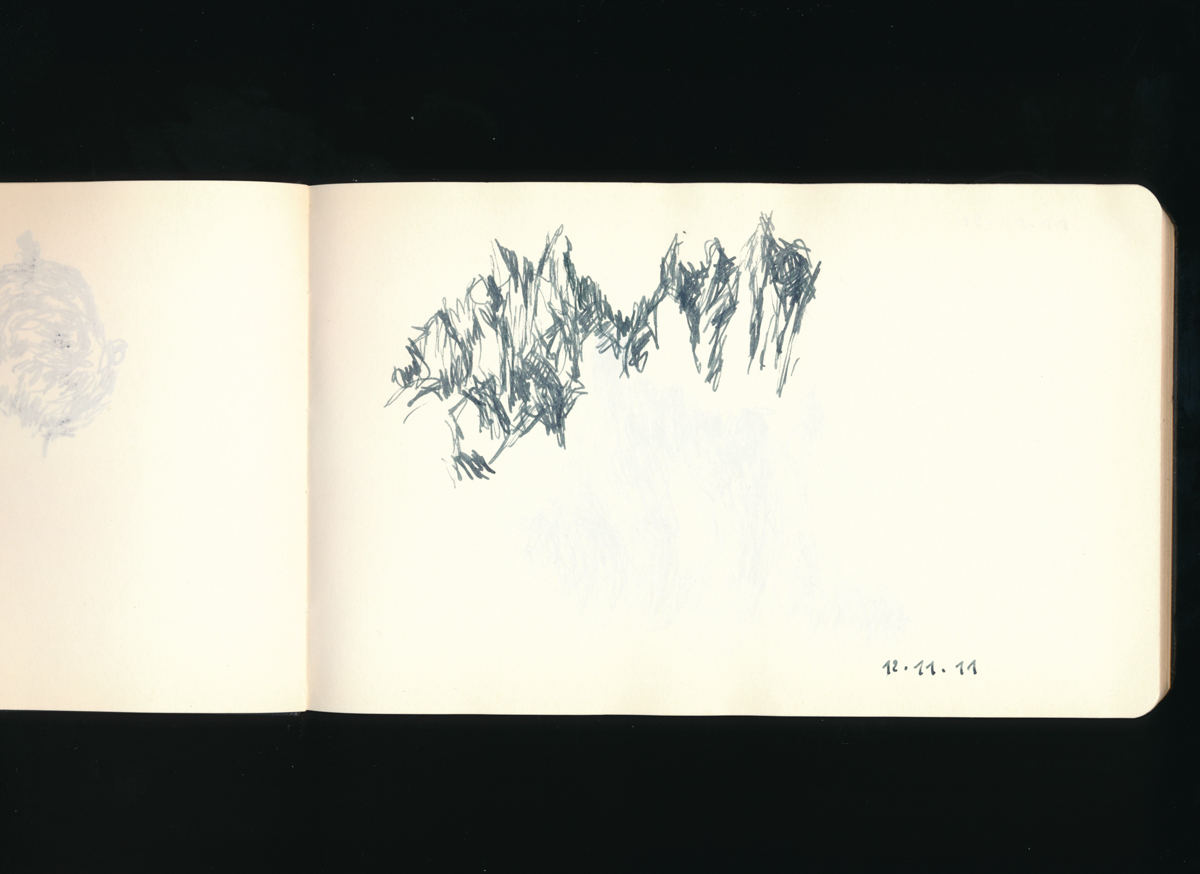
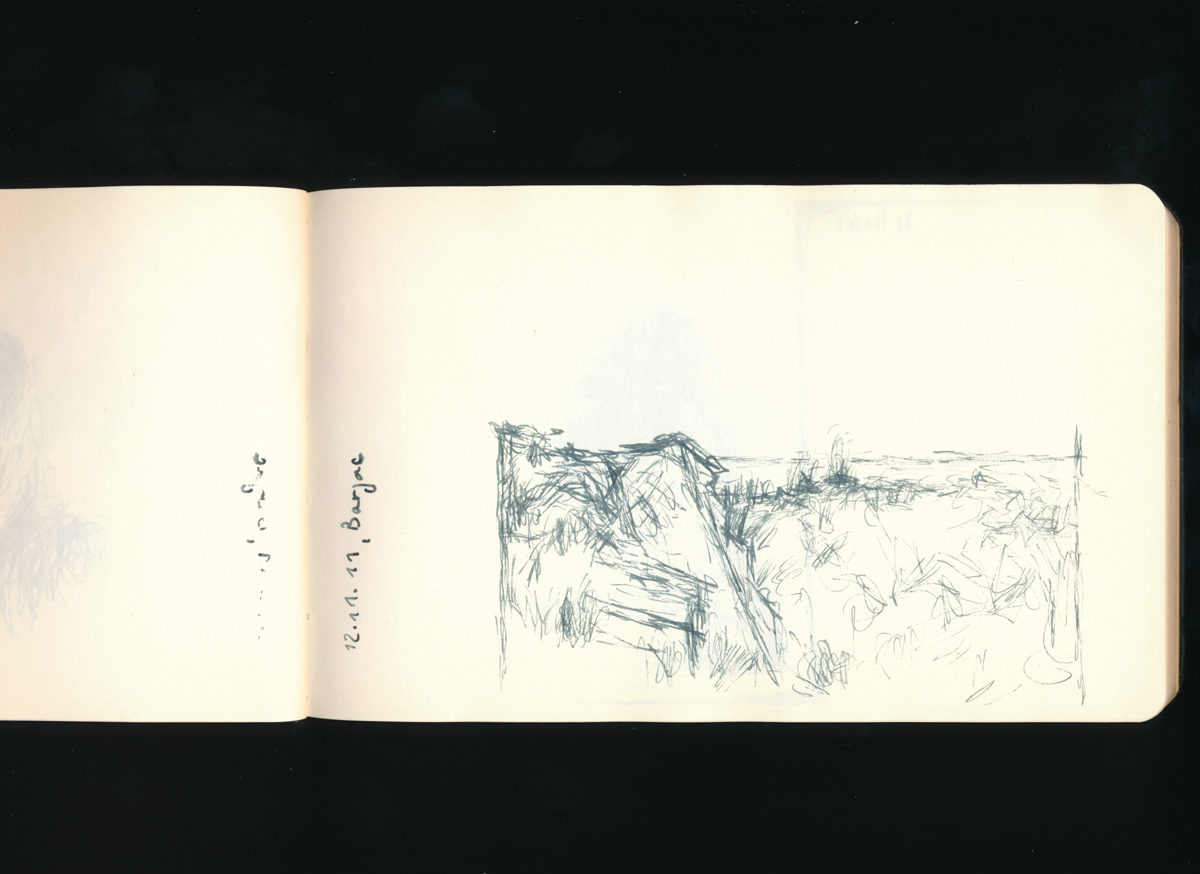
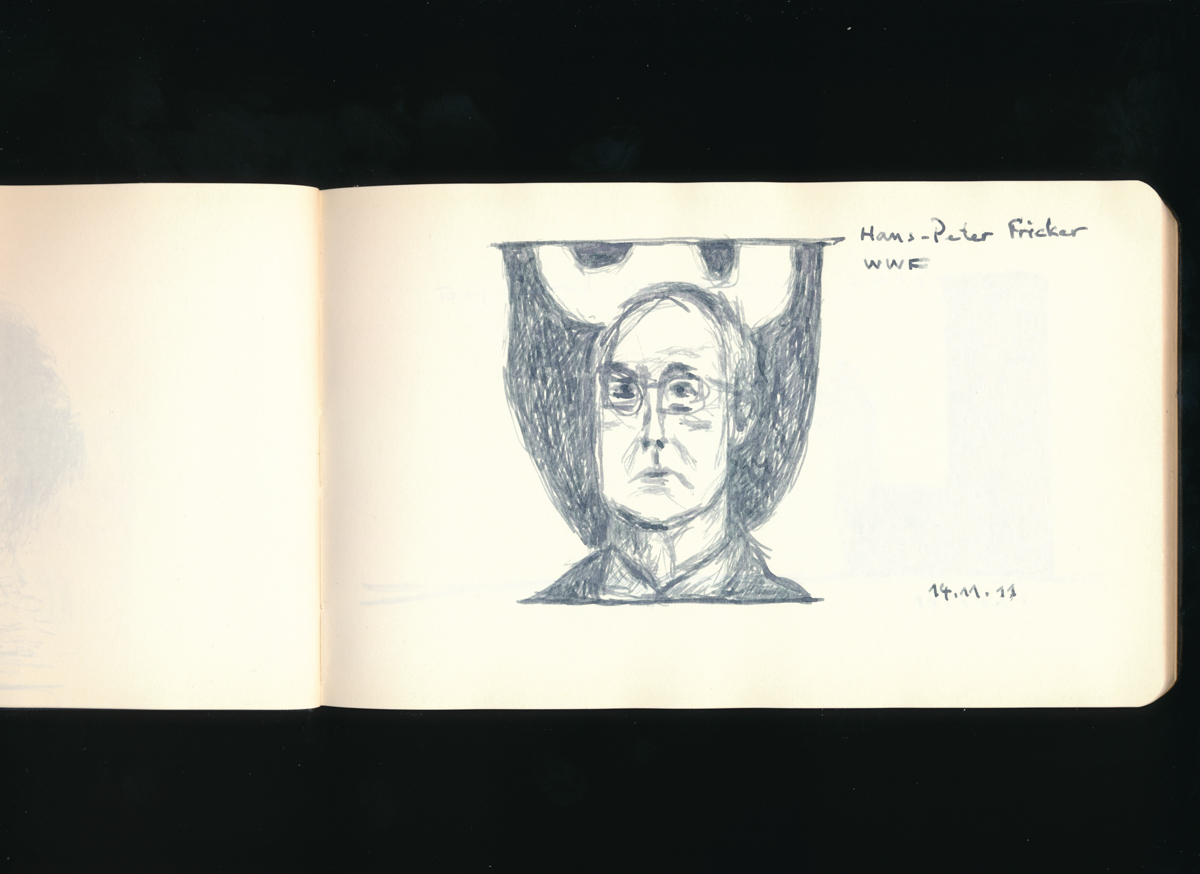
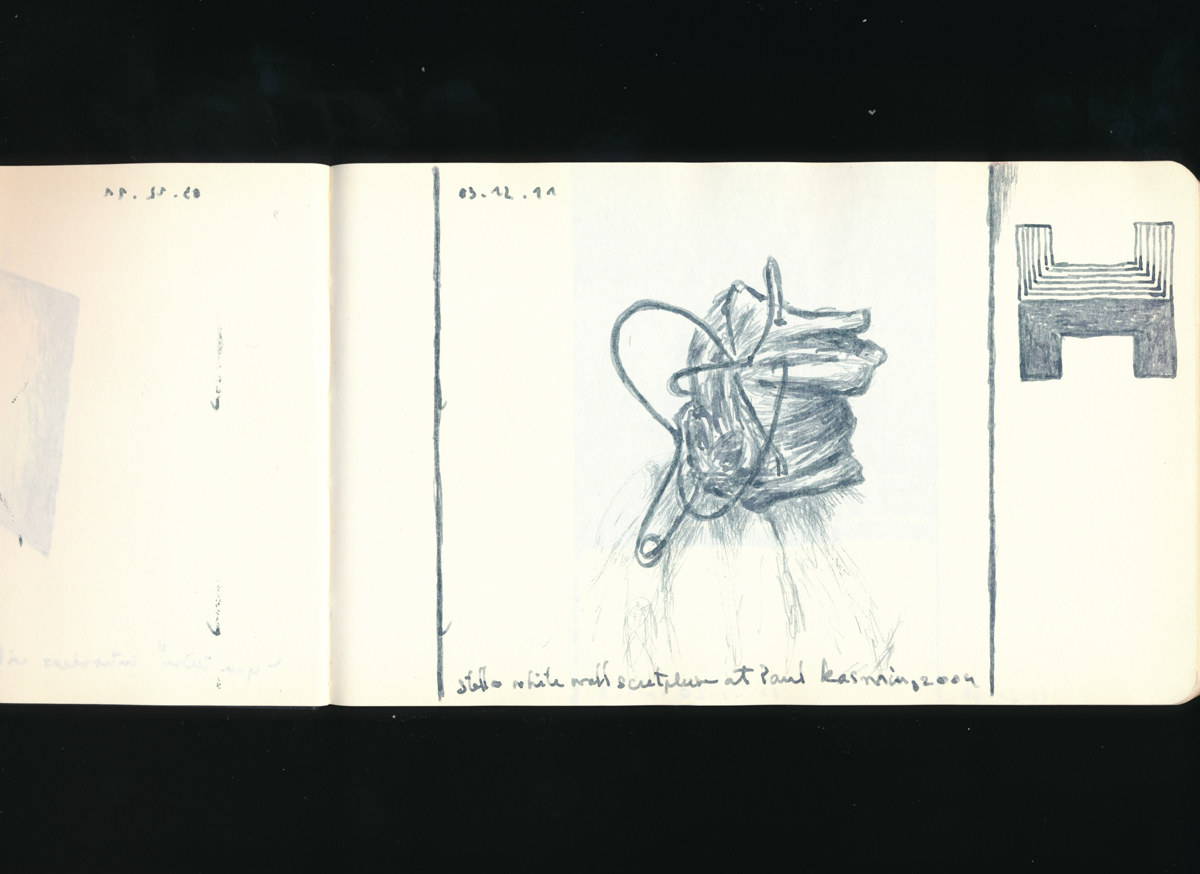
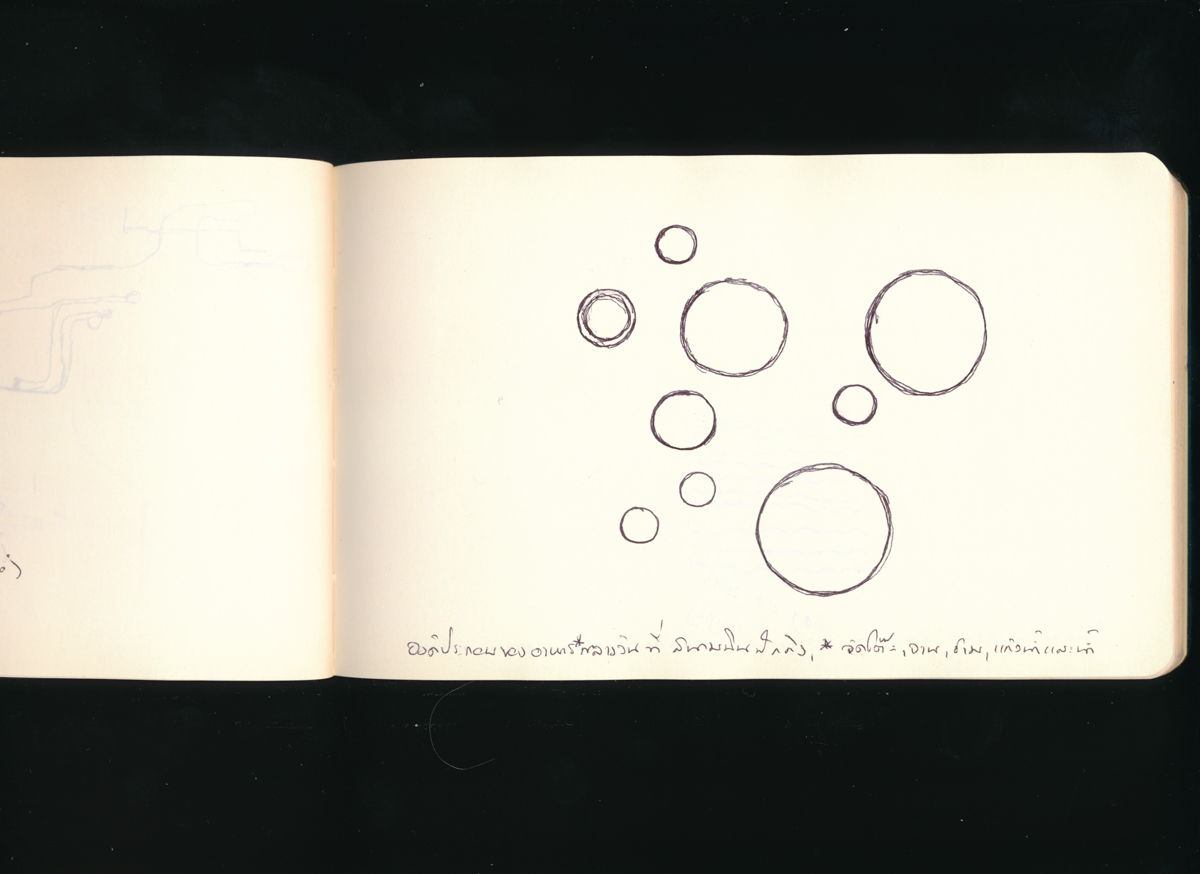
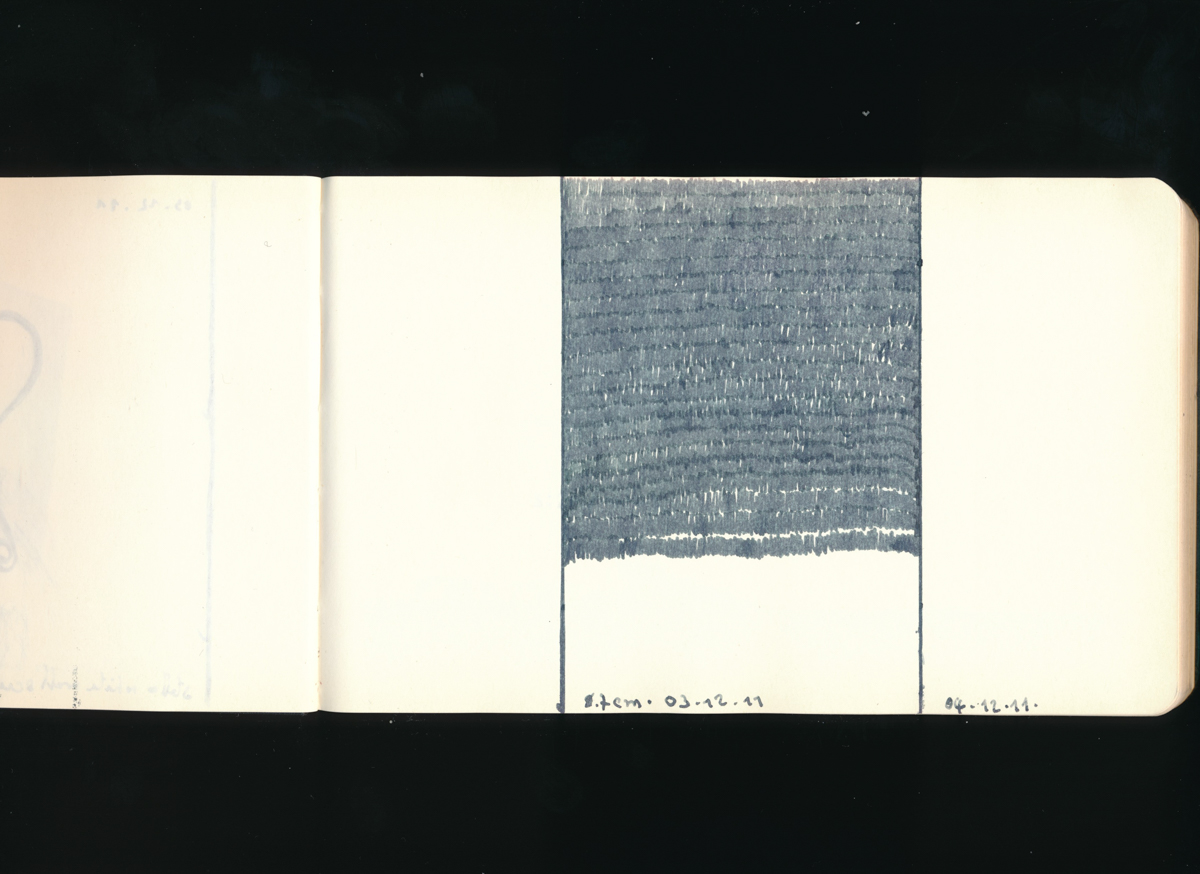
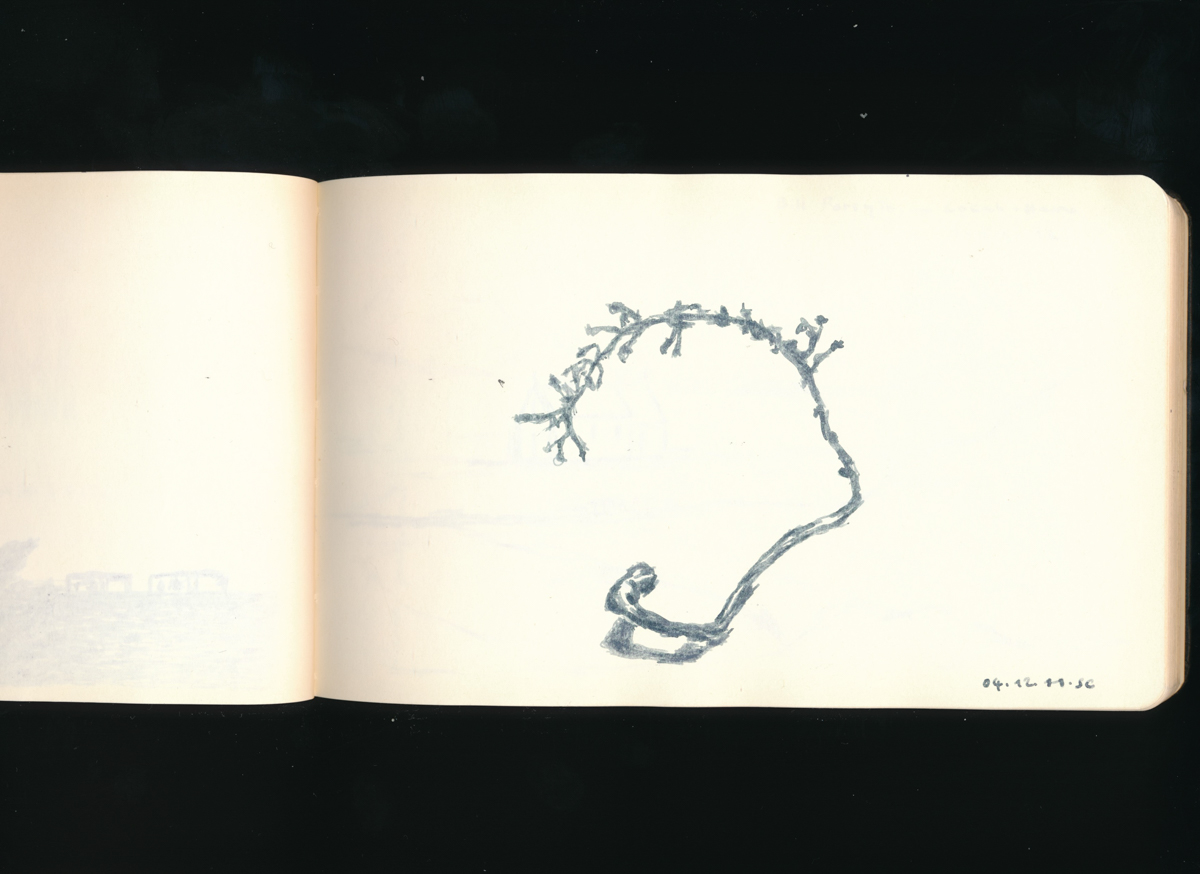
Between 2011 and 2015, I carried this Moleskine notebook with me as a kind of visual journal. There was no predetermined project. I drew things that entered my everyday life and caught my attention: a landscape, a plant, flowers, a still life, something encountered while travelling, something seen in the news, or simply a form I wanted to retain.
The drawings move freely between observation, memory and notation. Some remain descriptive; others are reduced to only a few lines, almost becoming signs. Written notes occasionally enter the pages as naturally as the drawings themselves. Nothing was required to become a finished work.
The notebook therefore accumulated through time rather than through a single subject. One page may record a particular place or date; another preserves an ordinary object or a fleeting observation. What connects them is simply the act of noticing.
For this page, I have selected 26 drawings from approximately one hundred—not necessarily because they are the most accomplished, but because, looking through the notebook again today, these are the pages that caught my eye.
The selection therefore brings together two moments of looking: the moment when something first caught my attention and I drew it, and the moment, years later, when the drawing itself caught my attention again. Continue reading